AUTarcaMatricultura · La Palma
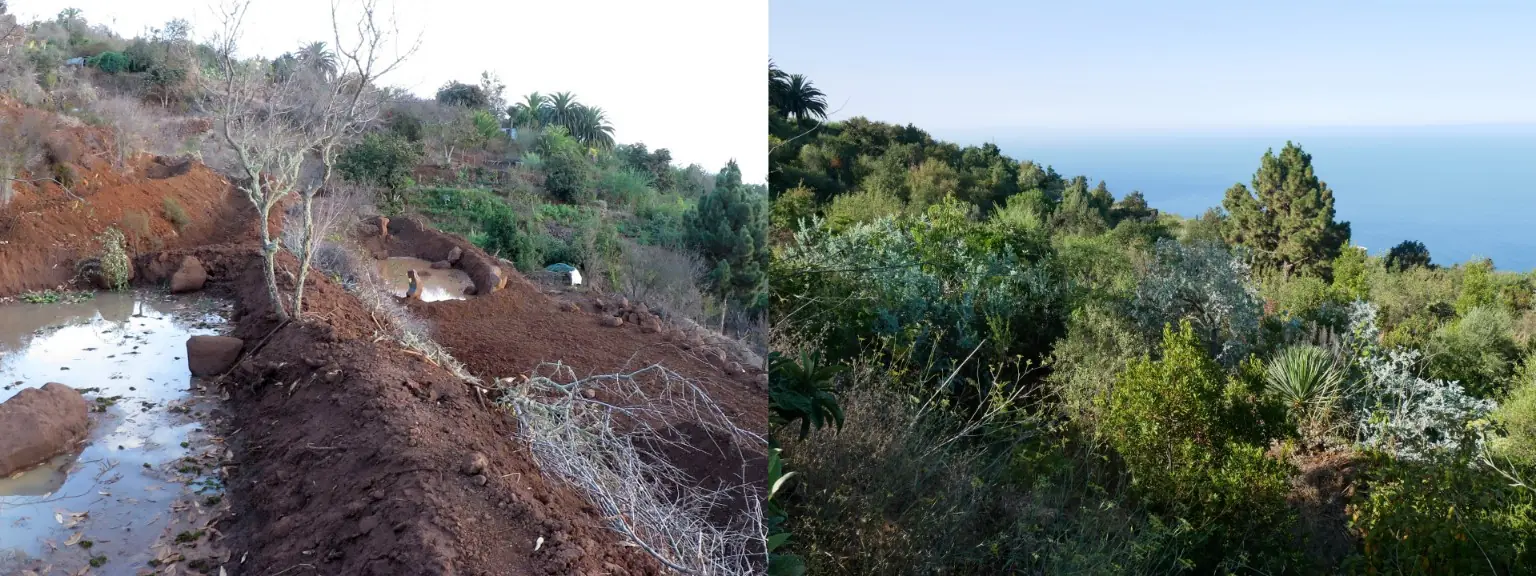
Between mounds and retention hollows, a forest garden is growing
How Barbara and Erich Graf are reconnecting water, soil and vegetation on La Palma
Scientifically contextualised articles, substantial reading samples and independent publications on living soils and regenerative ecosystem development.
Blog · RED Science – The Magazine · Projects & Systems
Scientifically contextualised articles on soil life, restoration, grazing and regenerative practice.
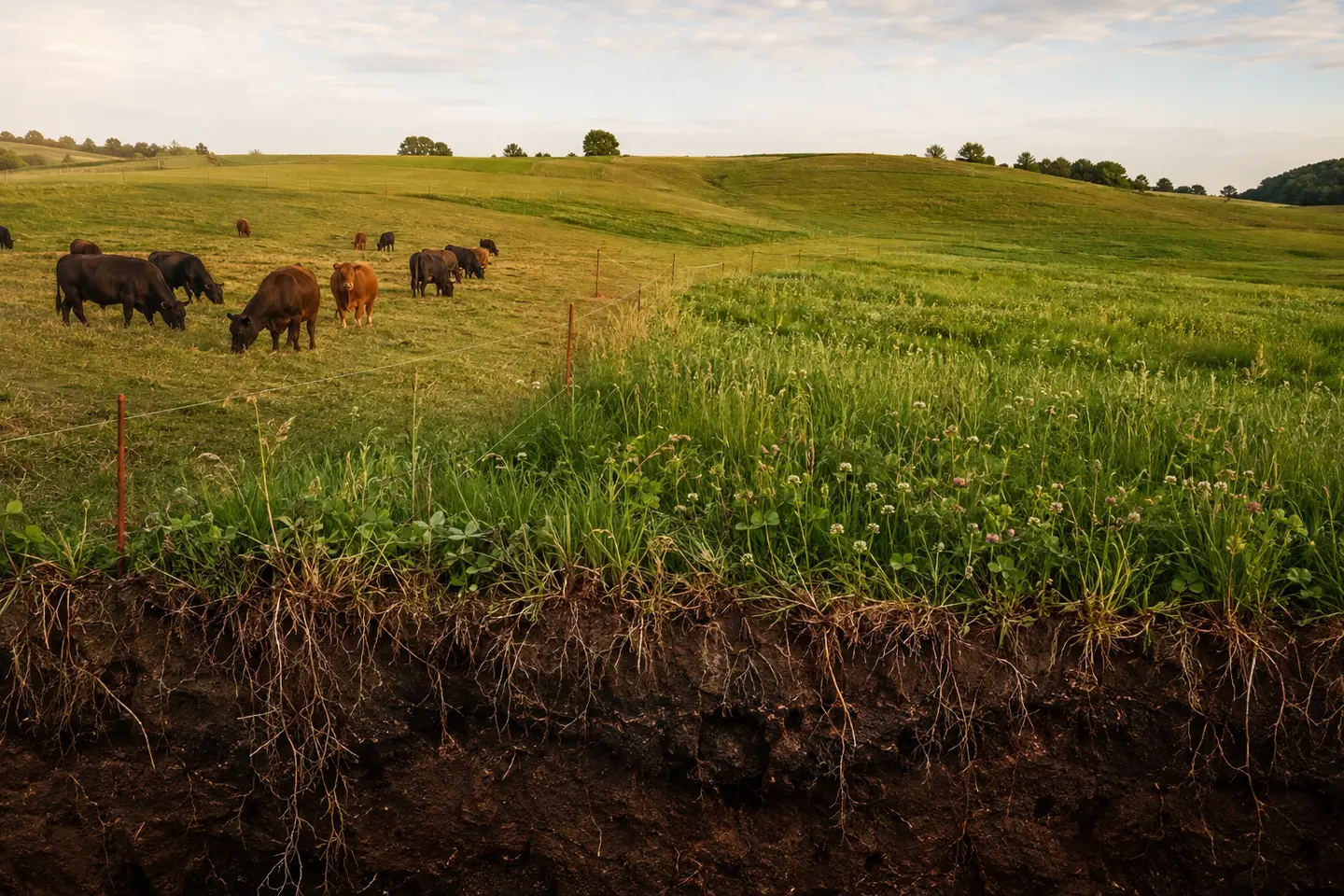
A field study across five US states compares adaptive grazing systems with continuous grazing – showing clear differences, but also important methodological limitations.
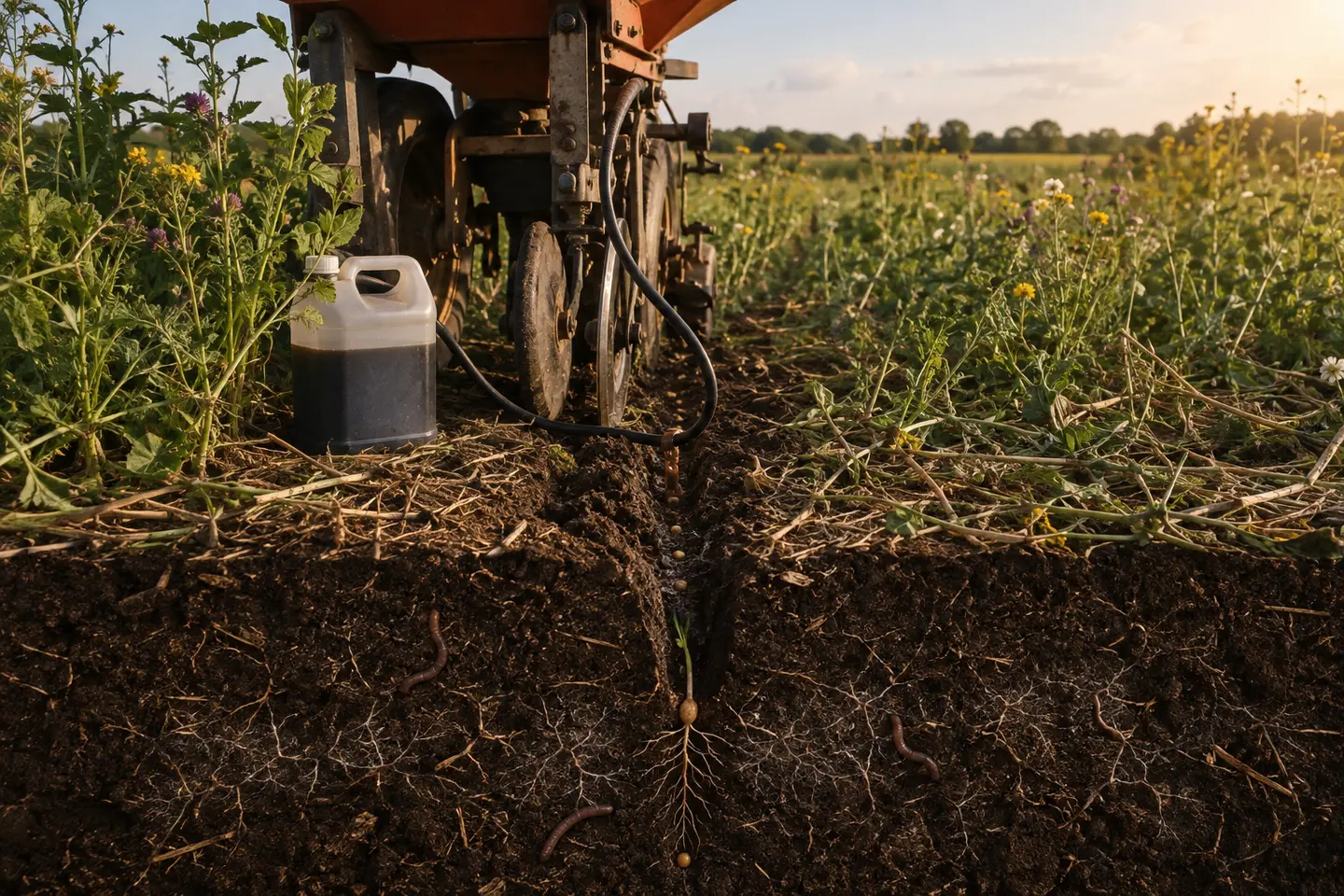
A four-year experiment combines no-till, diverse cover crops, greatly reduced inputs and a microbial compost extract. The results are impressive – and require careful interpretation.
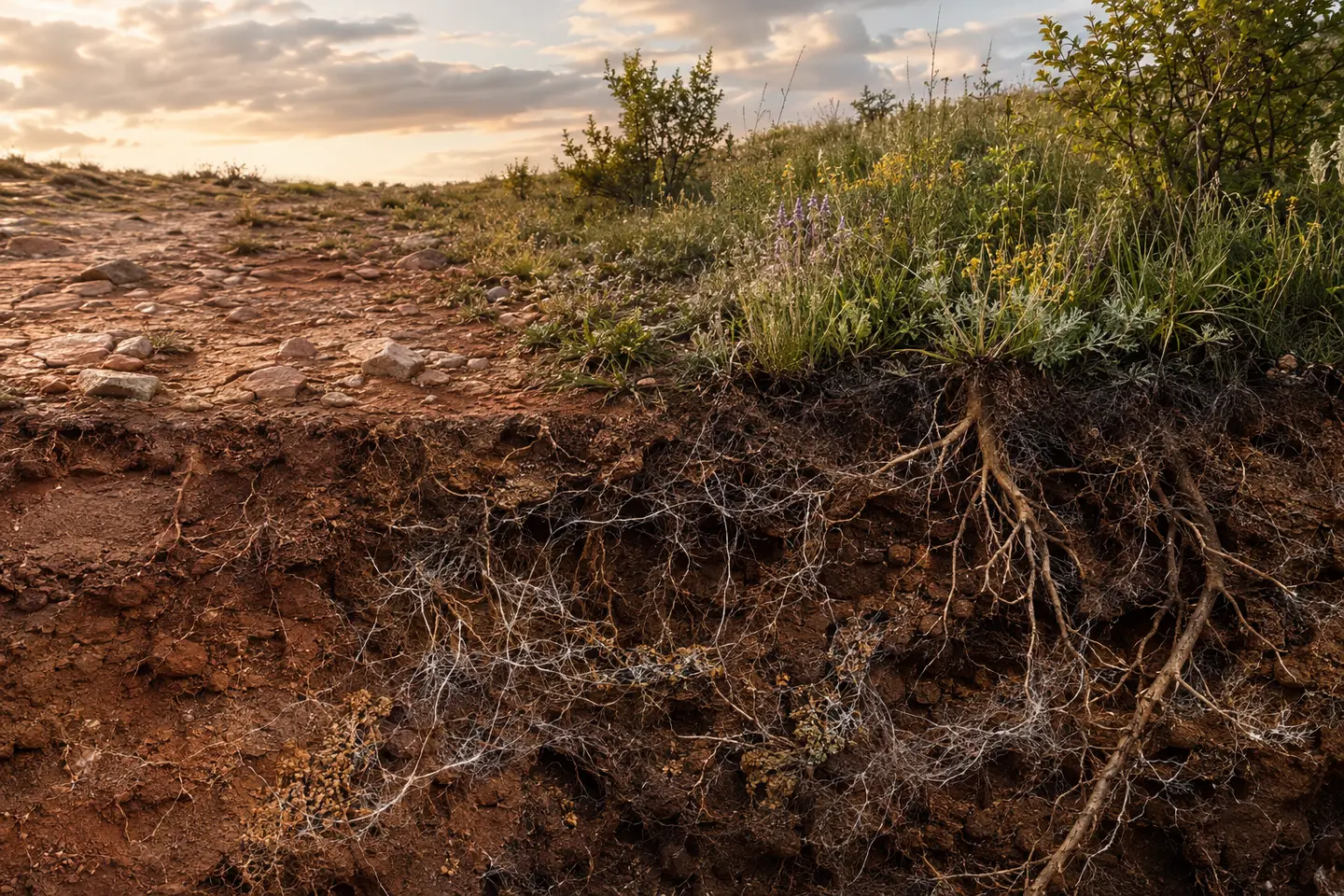
A recent review shows how bacteria, fungi and their networks influence restoration trajectories – and why species lists alone do not prove functional restoration.
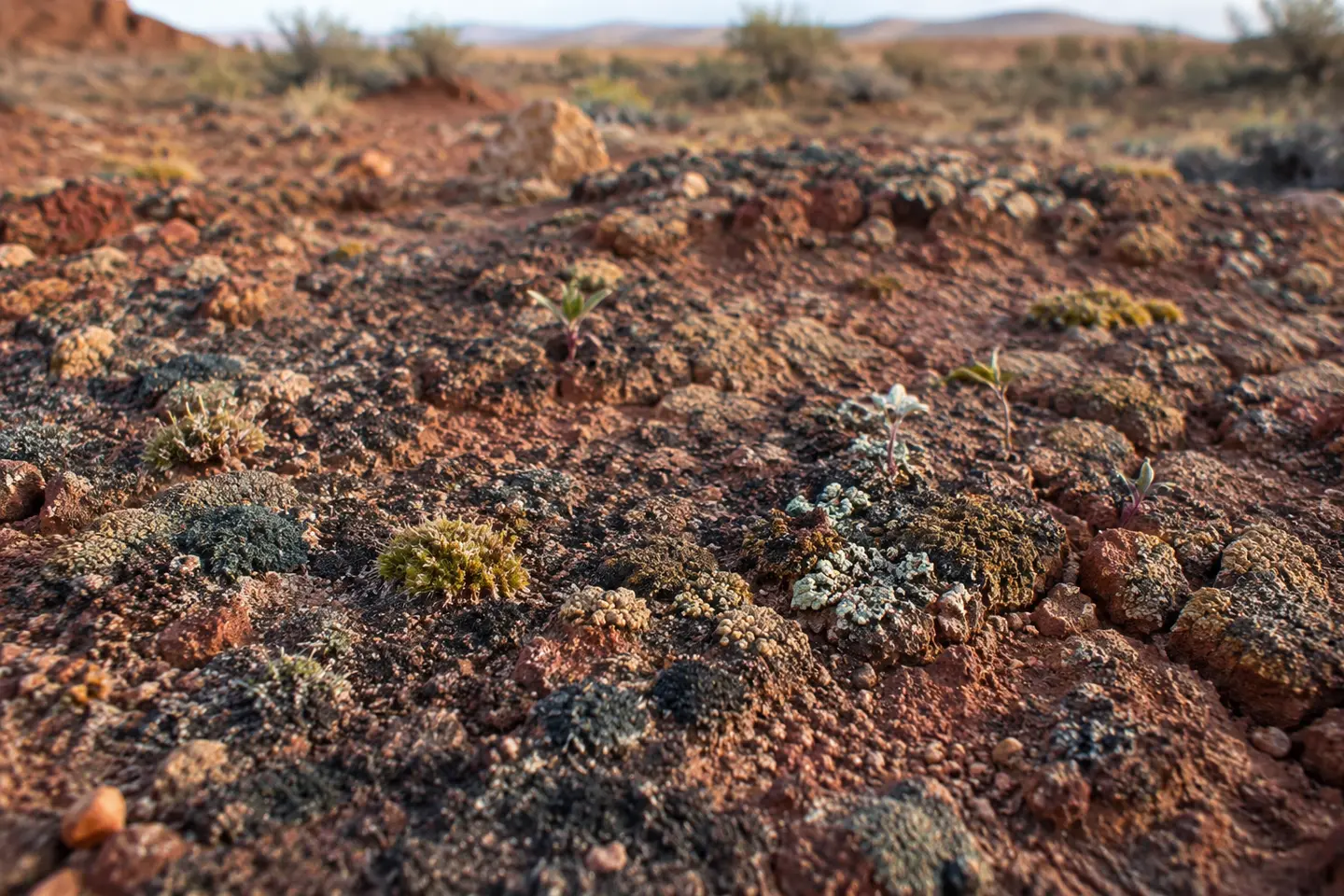
Cyanobacteria, algae, fungi, lichens and mosses can stabilise exposed dry soils. A review shows their potential – and why their development, effects on water and effects on plants always remain site-dependent.
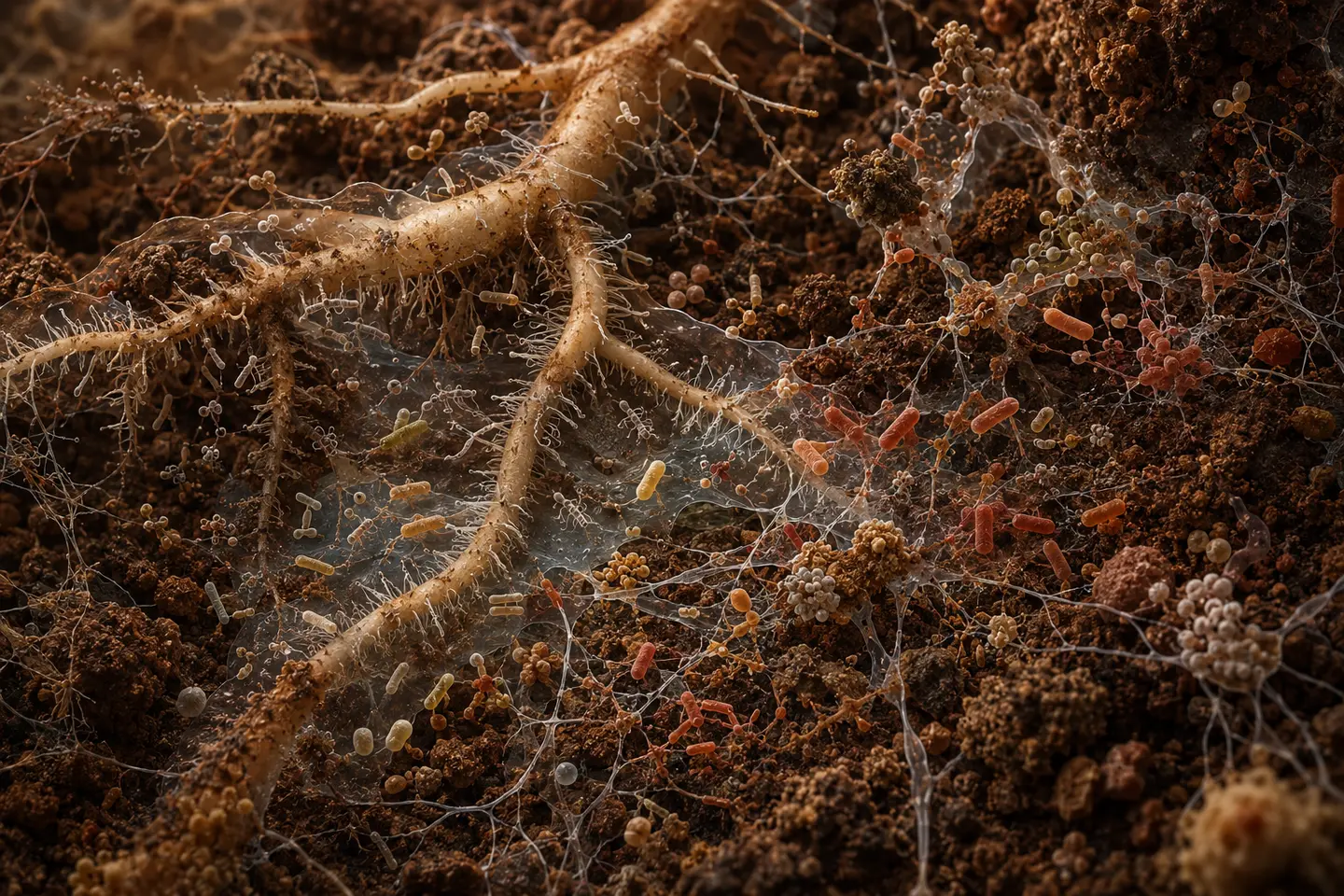
Rhizobia, Azospirillum, mycorrhizal fungi and biological antagonists can support plants. A review shows, however, that their effects always intervene in an already complex soil network.
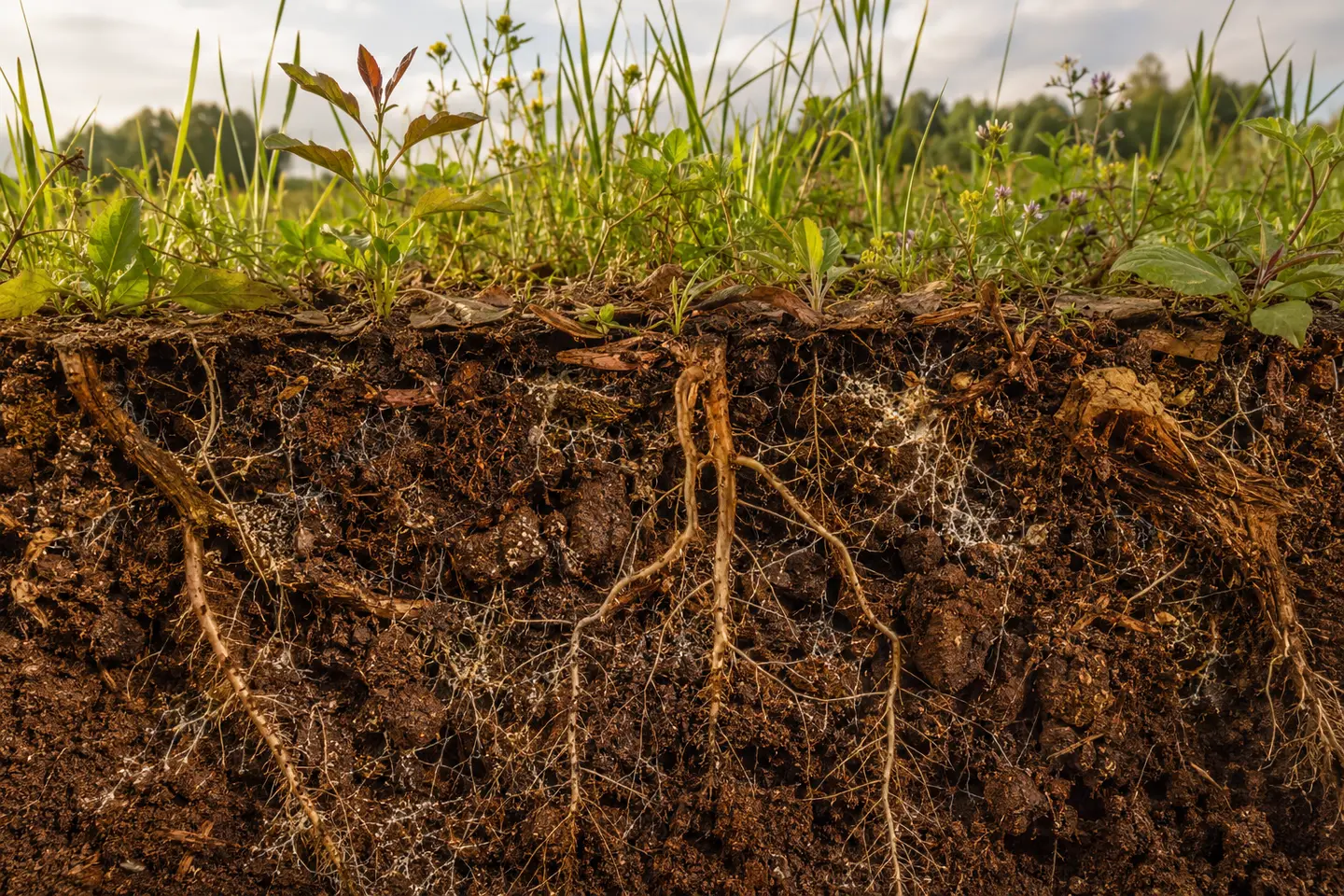
A scientific perspective describes microorganisms as a link between plant carbon, soil structure and stable organic matter – without turning this into a simple inoculation formula.
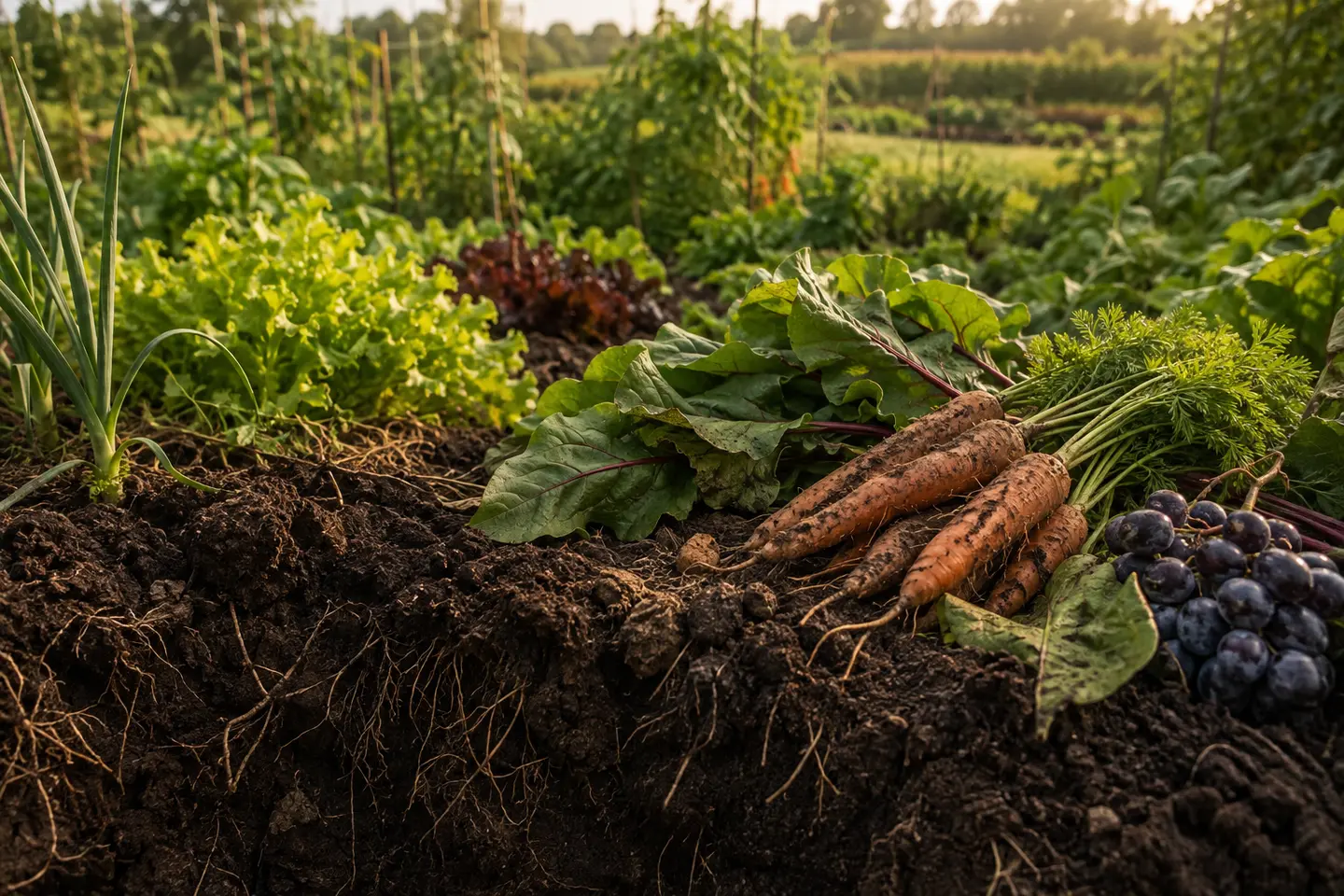
A narrative review connects regenerative agriculture with soil function, food constituents and health. The biological chain is plausible – but its individual links are supported by very different levels of evidence.
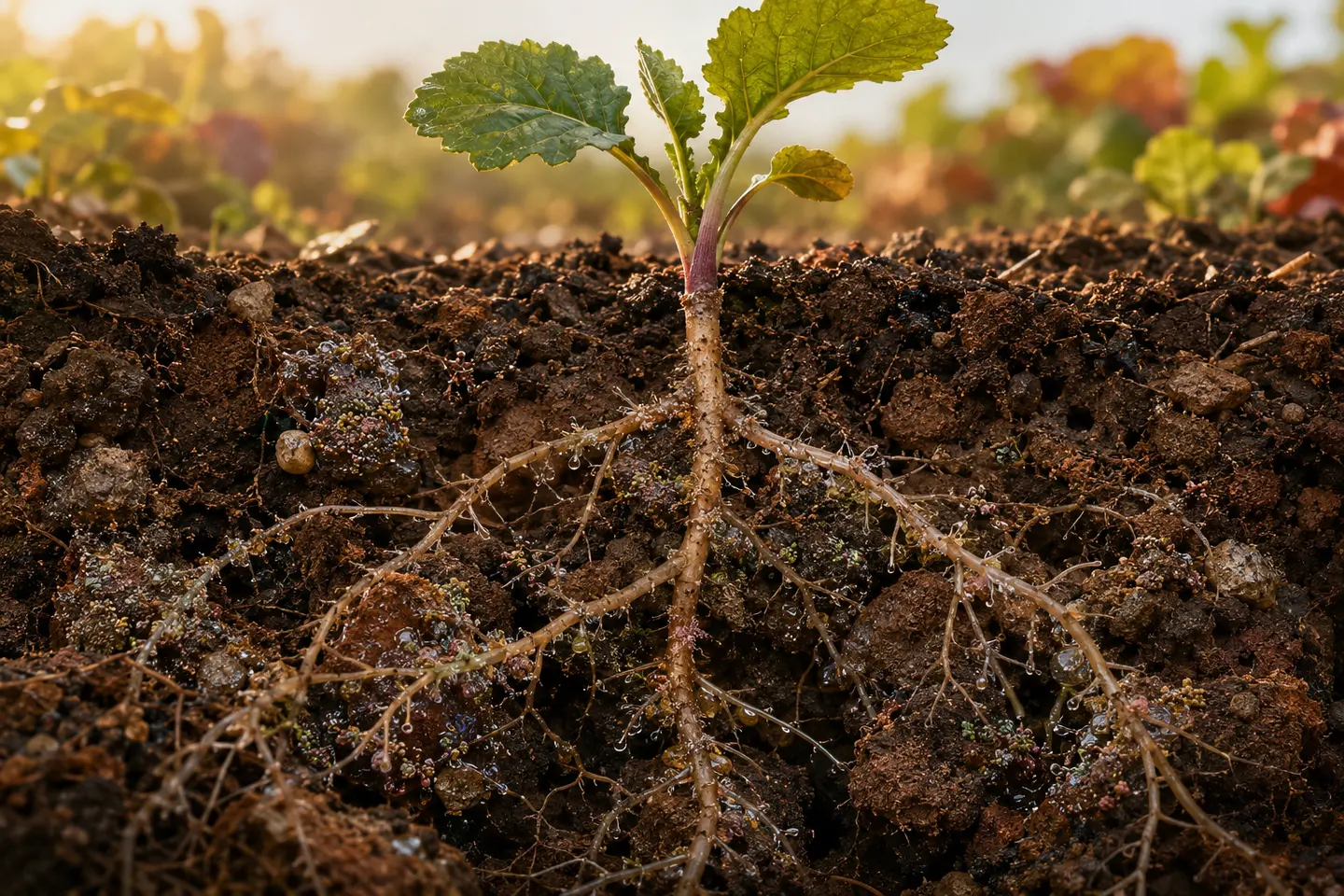
Plant-growth-promoting bacteria can make nutrients available, stimulate roots and alleviate stress. A review shows their broad potential – and the large gap between controlled experiments and reliable field effects.
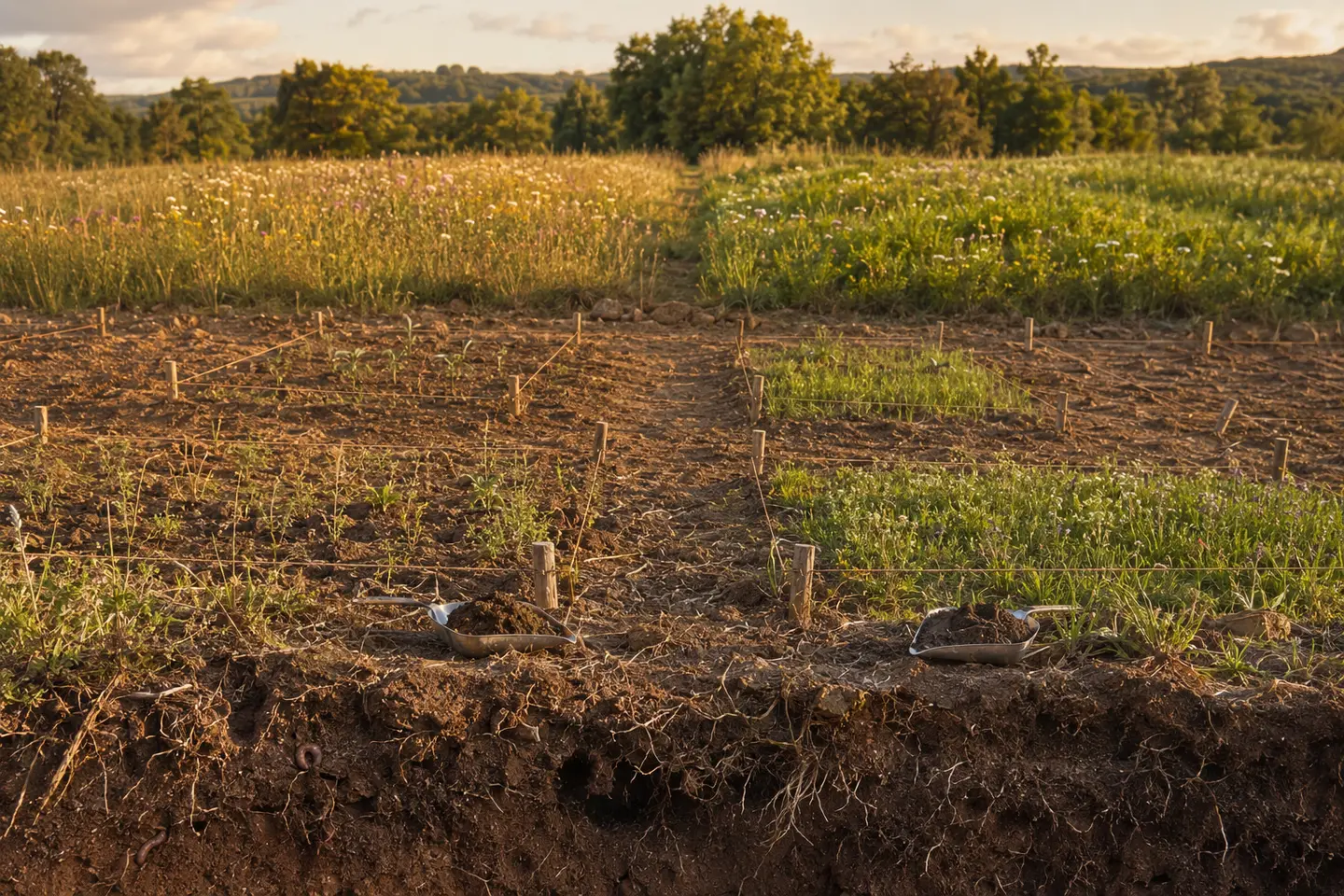
A three-year grassland experiment shows that not all soil produces the same development. The origin and amount of inoculum jointly influence microbes, nematodes, plants and their networks.
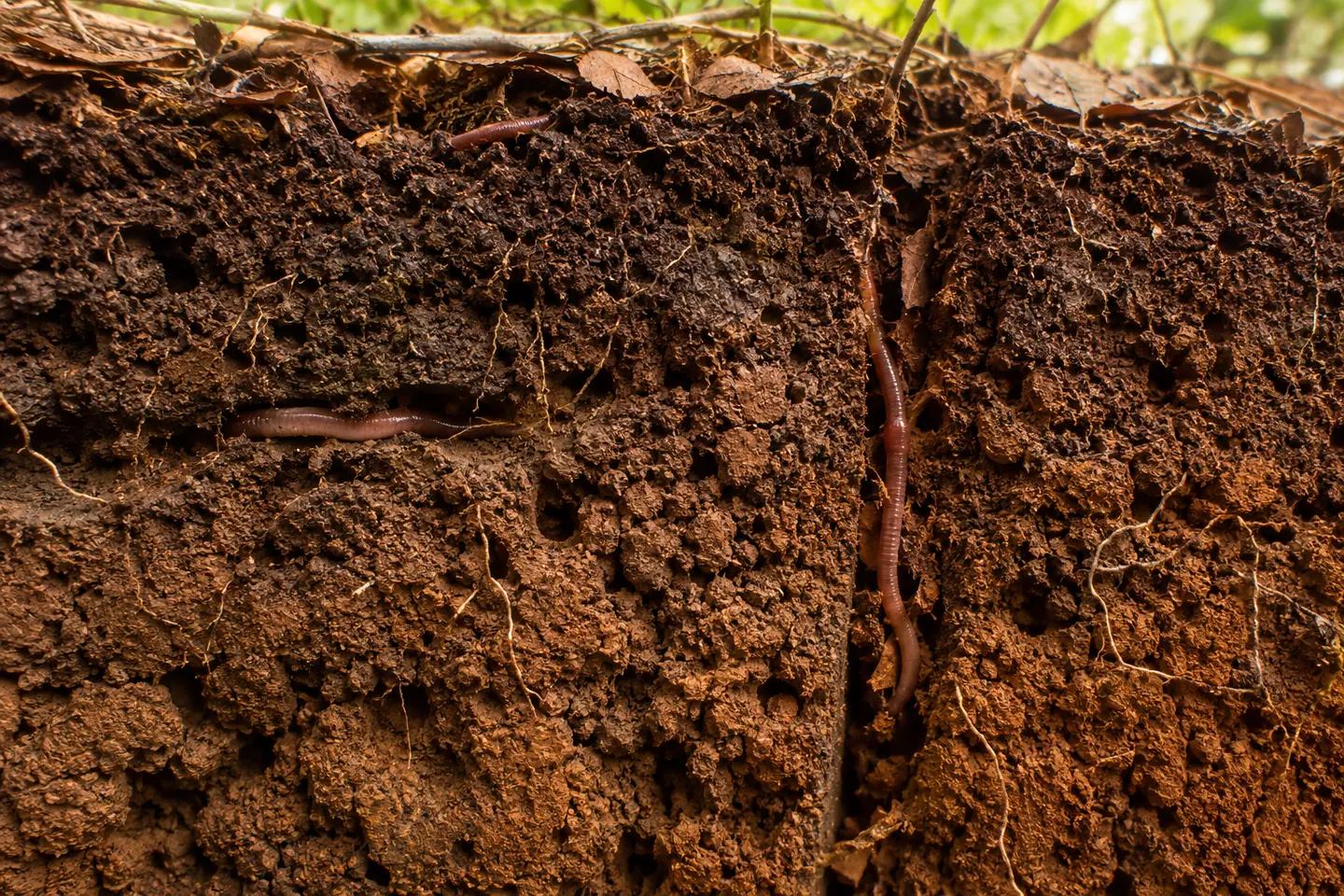
Earthworms create pores, mix organic material and alter microbial processes. A review shows their major functional importance – but also why more worms do not automatically mean more stable carbon.
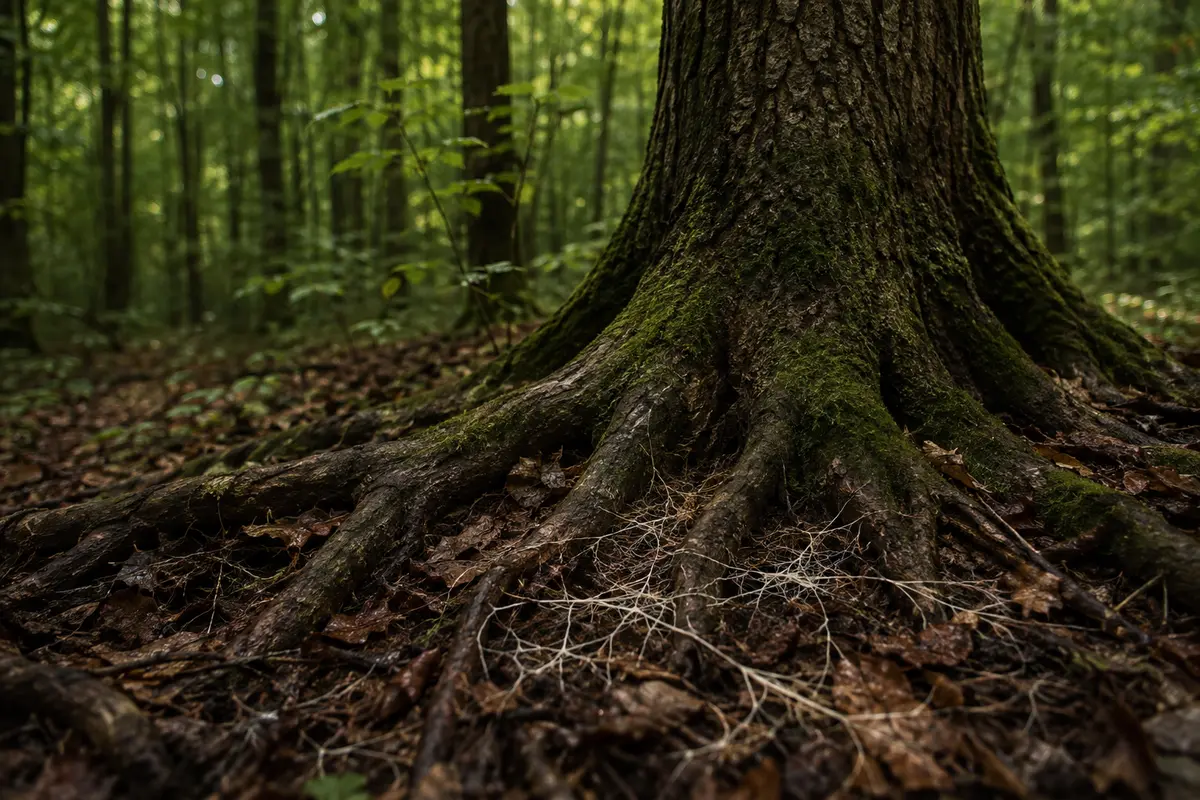
How an underground fungal network helps plants keep water, nutrients and cellular functions in better balance under salt stress.
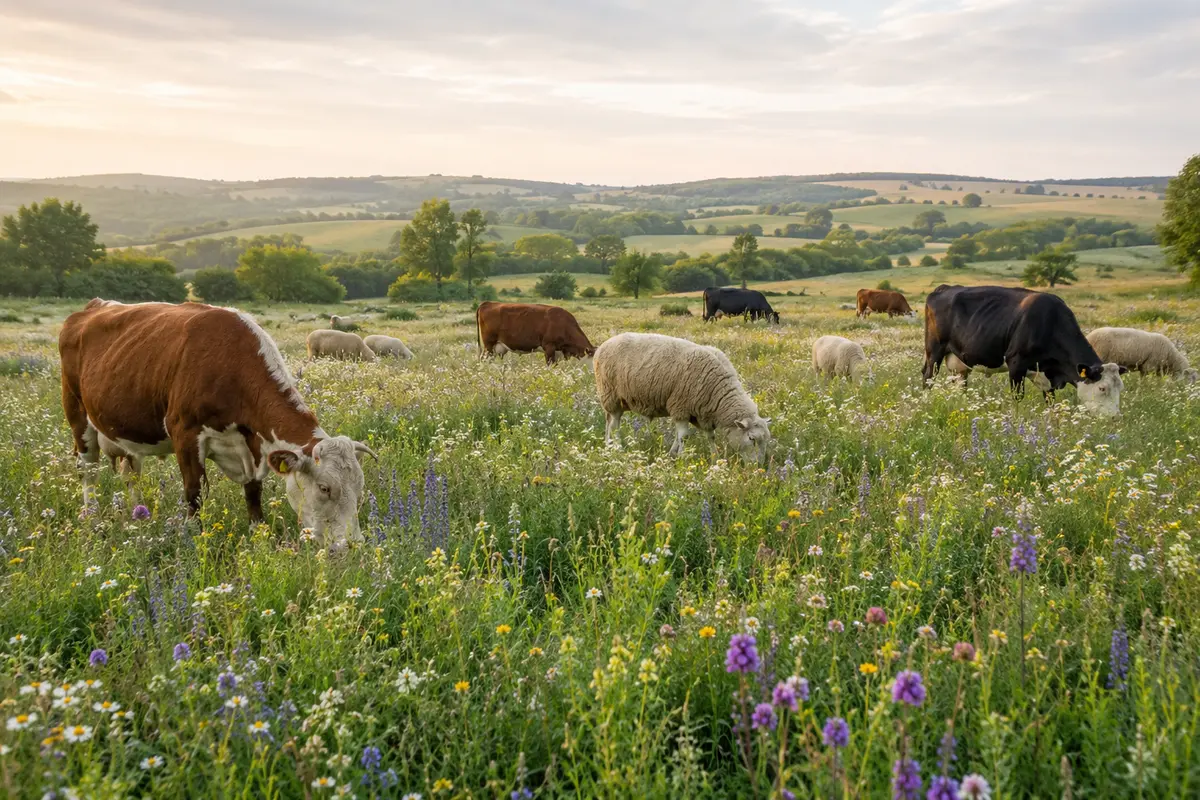
How well-managed grazing can support soil life, biodiversity and resilient agricultural systems – with scientific context and clear limitations.
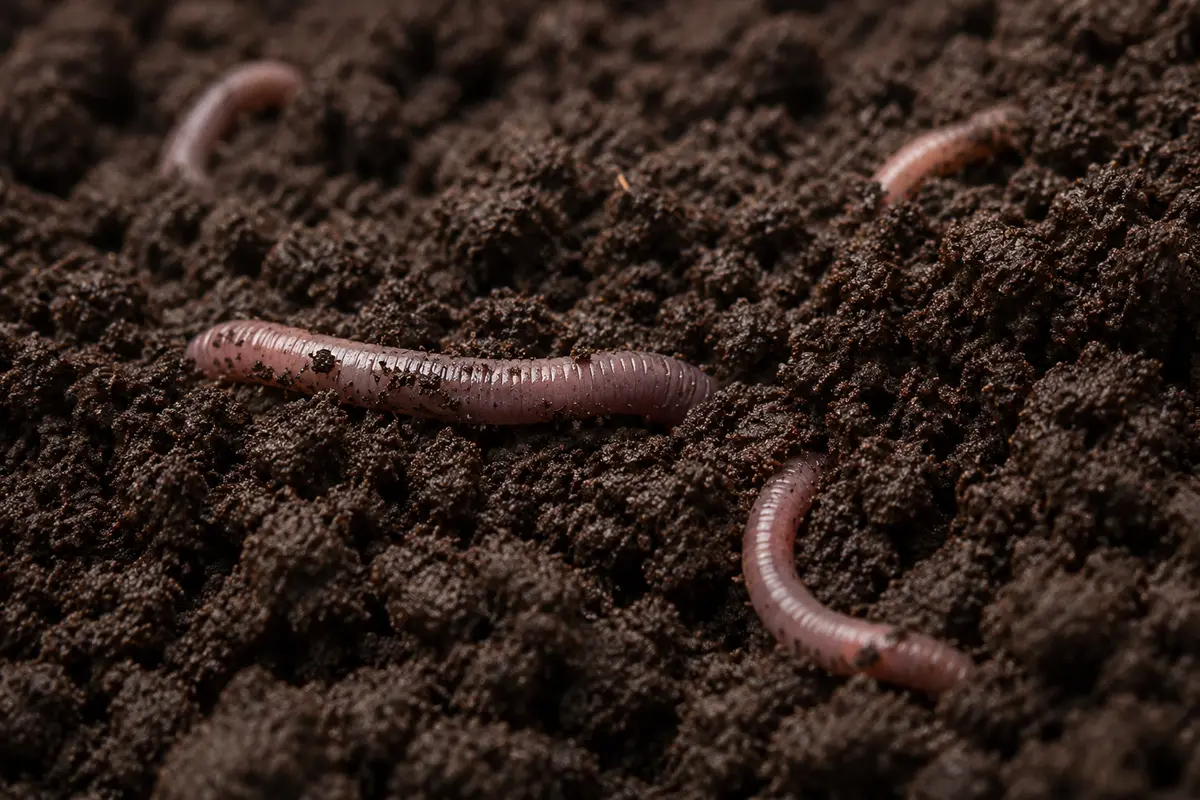
How passage through the worm gut, the drilosphere and microbial diversity transform organic residues into biologically active soil material.
Project portraits and insights into regenerative systems: approaches, experiences and developments in practice.
How Barbara and Erich Graf are reconnecting water, soil and vegetation on La Palma
The RED magazine brings soil biology, scientific evidence and regenerative practice together in an independent, carefully designed publication.
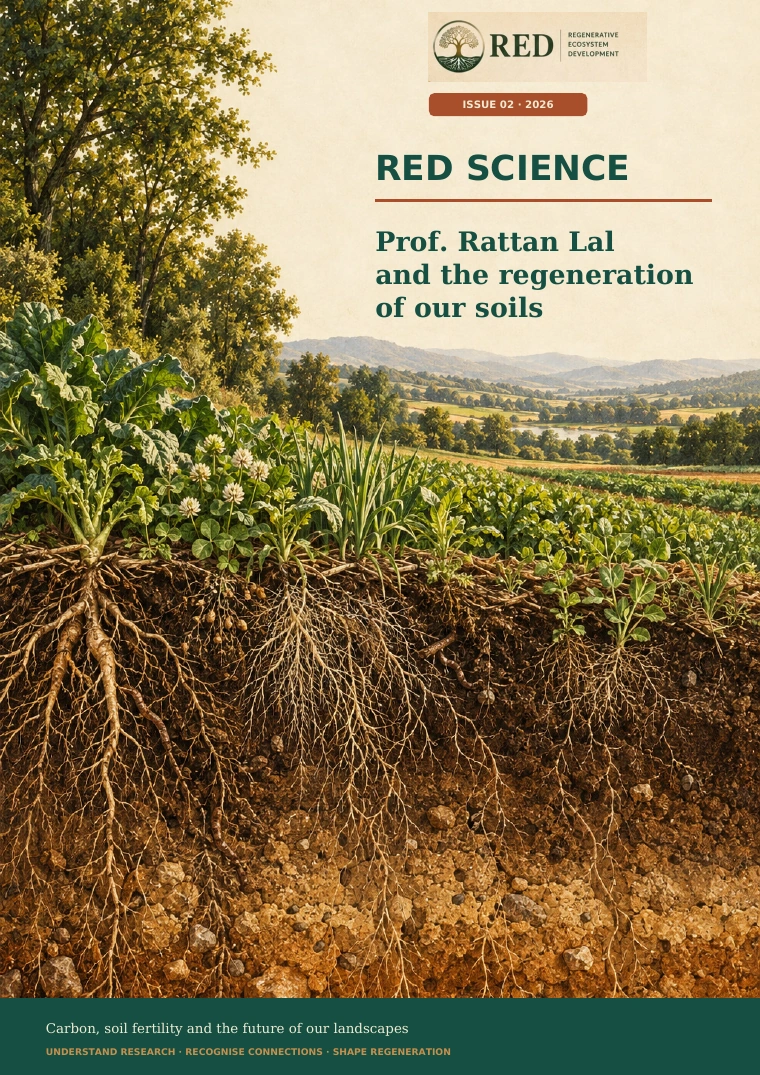
Carbon, soil fertility and the future of our landscapes – understanding research, recognising connections and making regeneration testable.
Public reading sample from RED Science Issue 02 about Prof. Rattan Lal, soil carbon, soil functions and regenerative practice that can be evaluated.
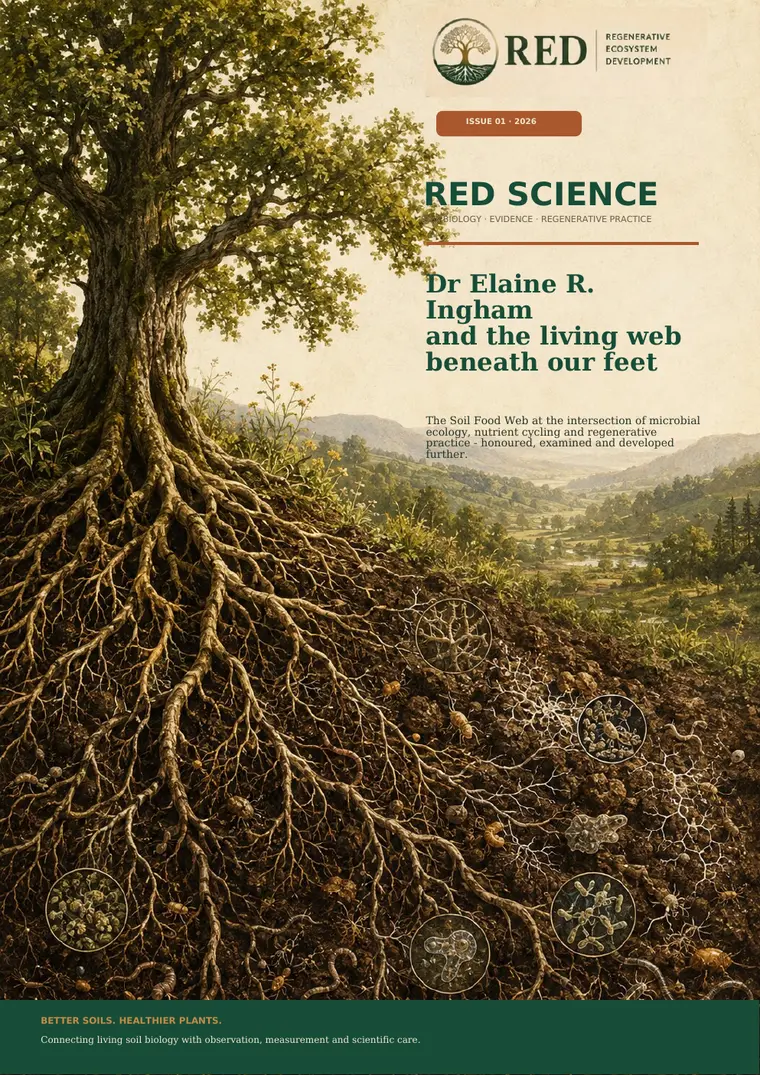
The Soil Food Web at the intersection of microbial ecology, nutrient cycling and regenerative practice.
A scientifically revised appreciation that makes sound mechanisms visible, states the limits clearly and develops a learning-oriented model for regenerative practice.