Building an organic foundation
Controlled aerobic composting created a stable organic and microbial foundation. The prepared material could then be incorporated deliberately into the wider regeneration process.
A difficult starting point became a practical learning and development experience that shaped essential foundations of the later RED Method.
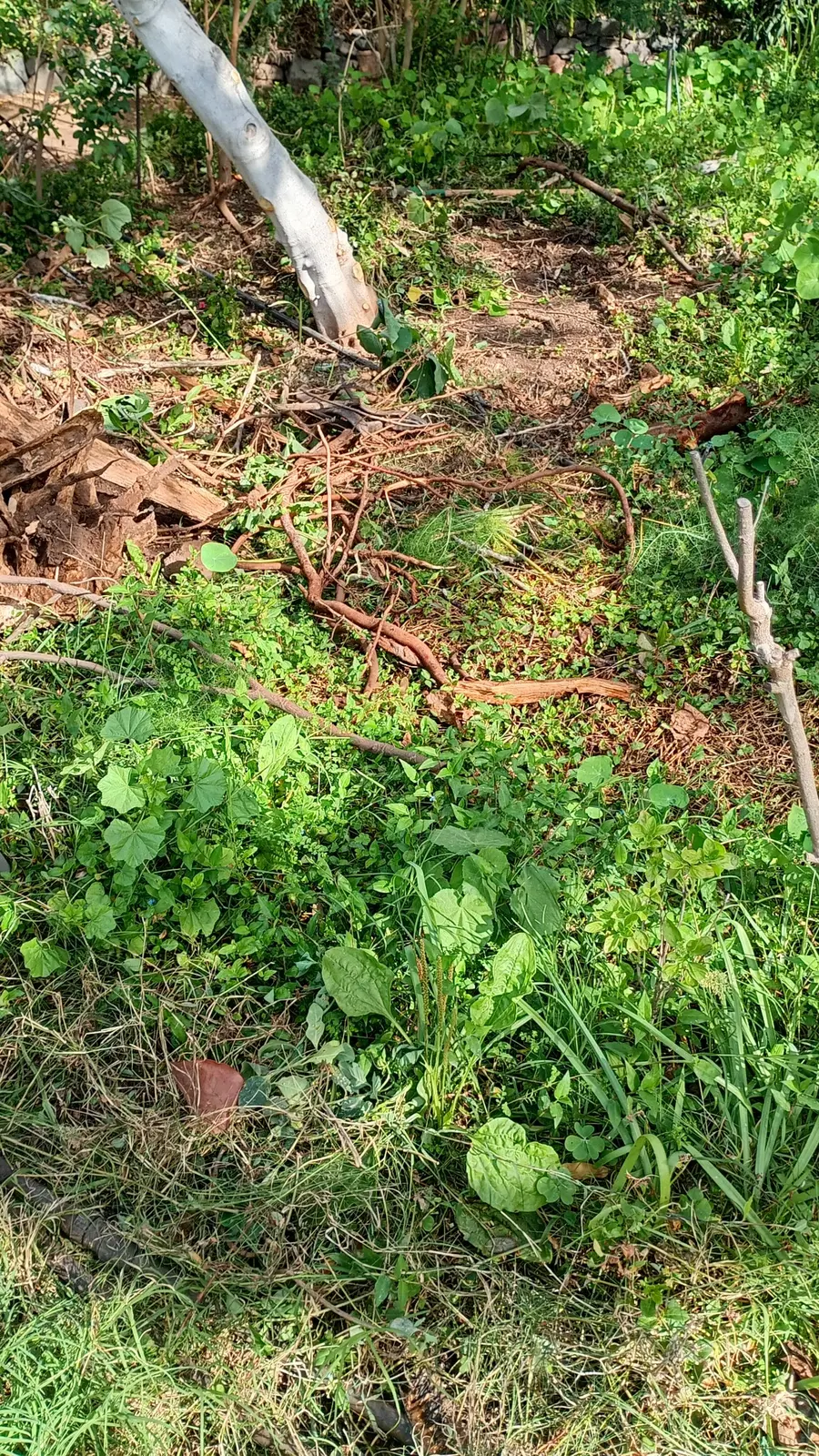
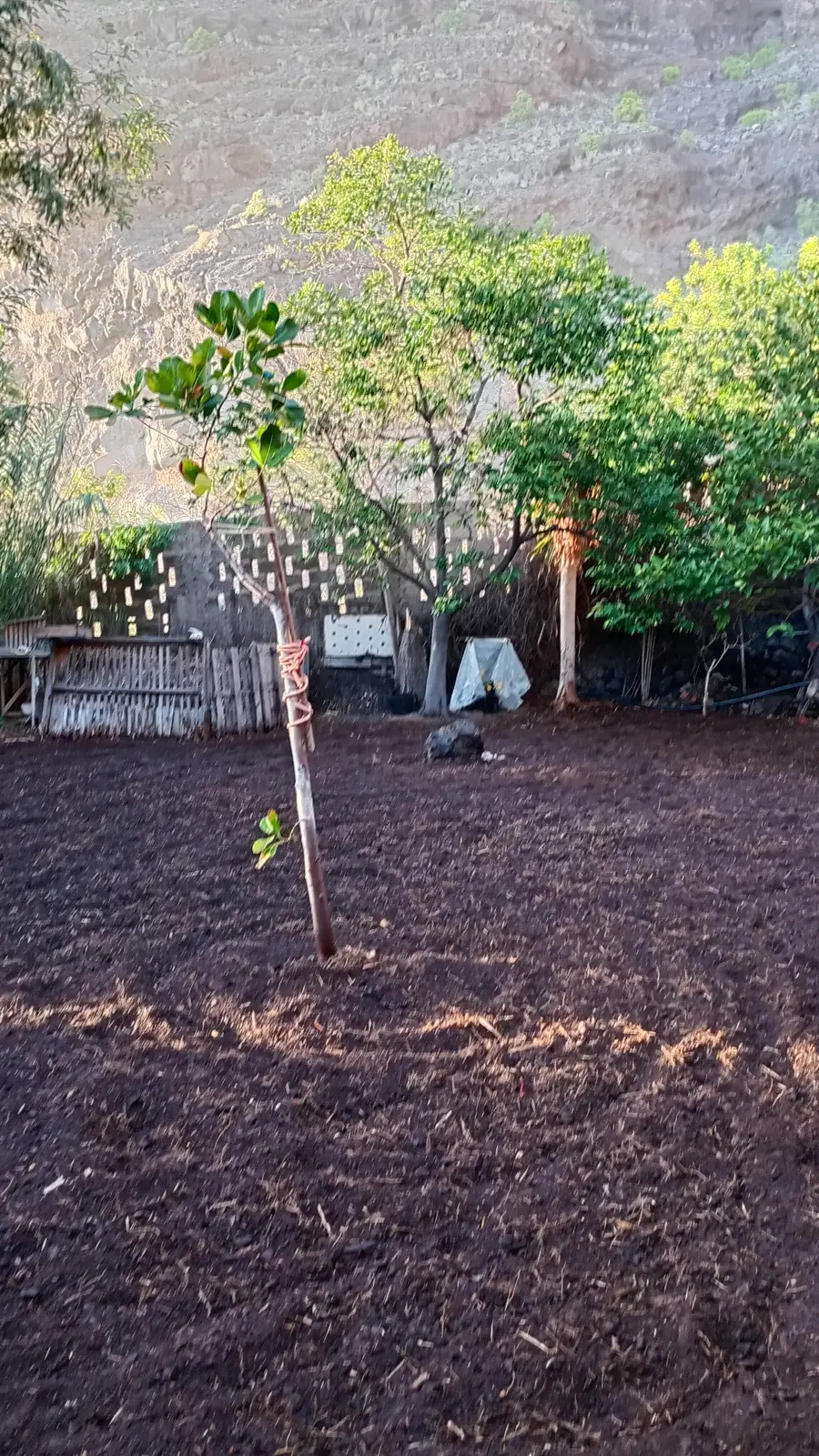
The documented site is located on La Gomera, an island in the Canary archipelago. Initial observations showed exposed soil, patchy vegetation and areas that appeared compacted. Low water retention was suspected; representative measurements of soil pH and reliable assessments of soil life were not available. These observations and open questions formed the starting point for the practical development of a fertile soil ecosystem.
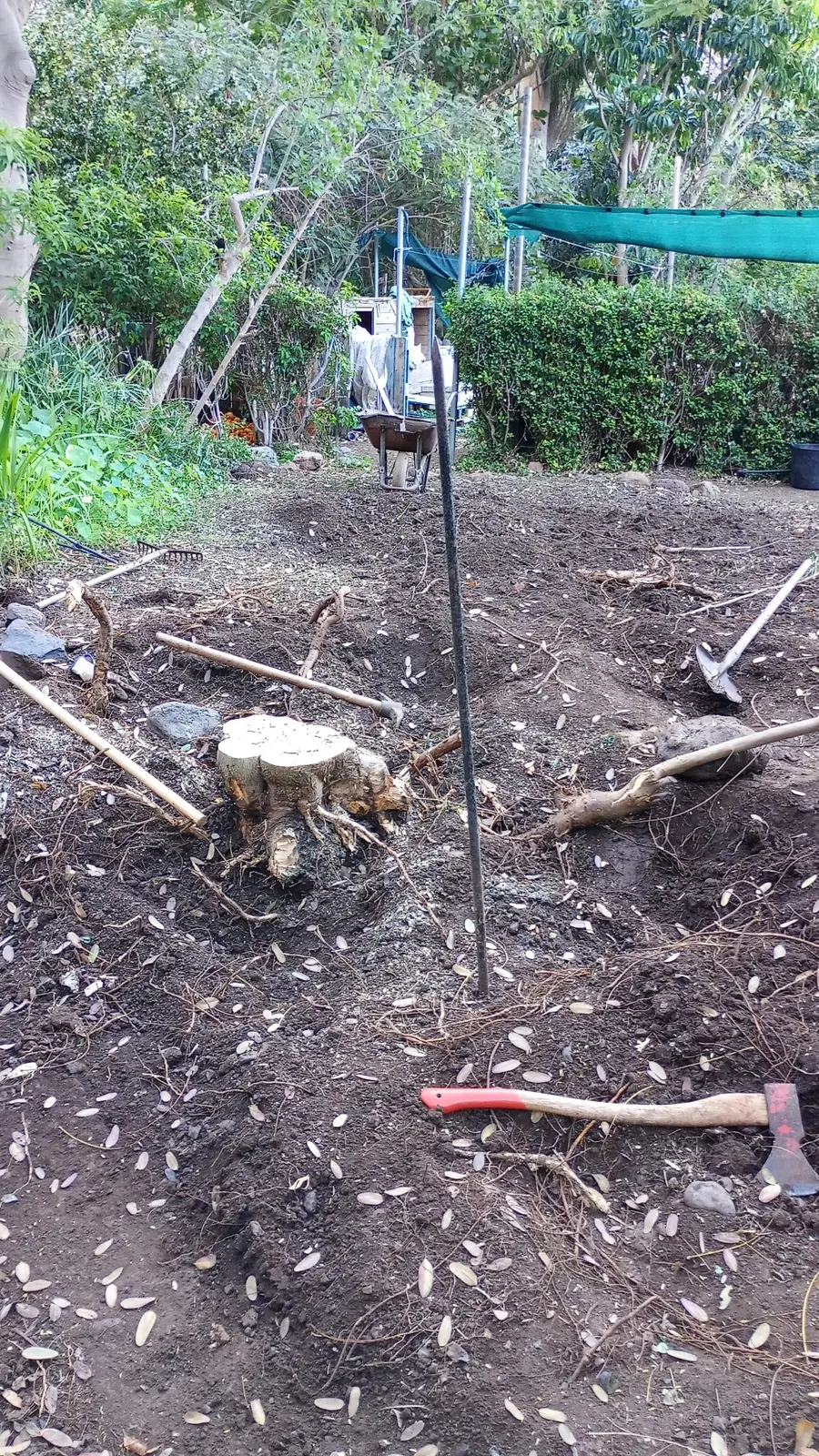
The photographs document the site before its transformation: open and compacted soil areas, uneven vegetation and the existing woody plants and irrigation structures.
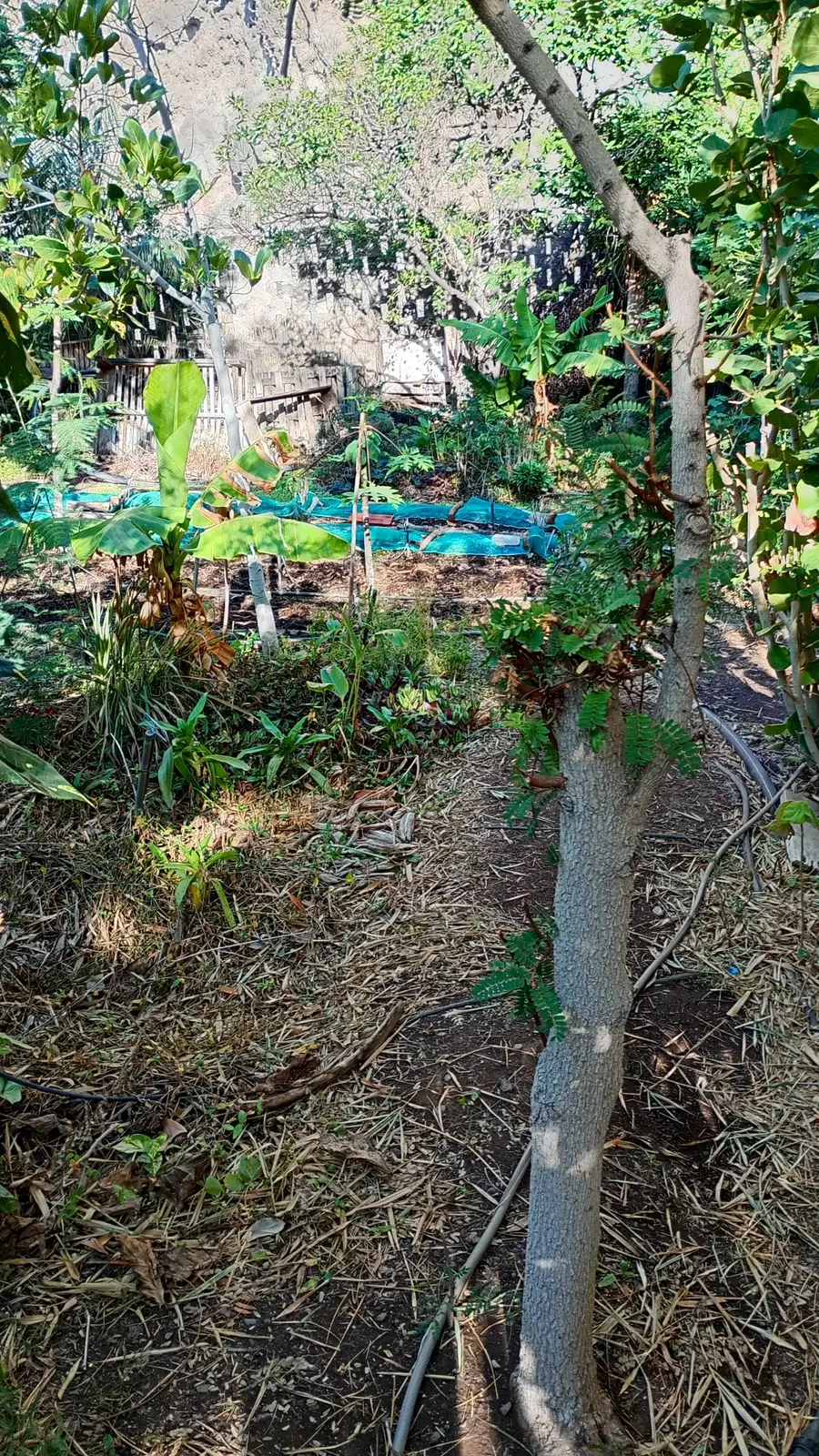
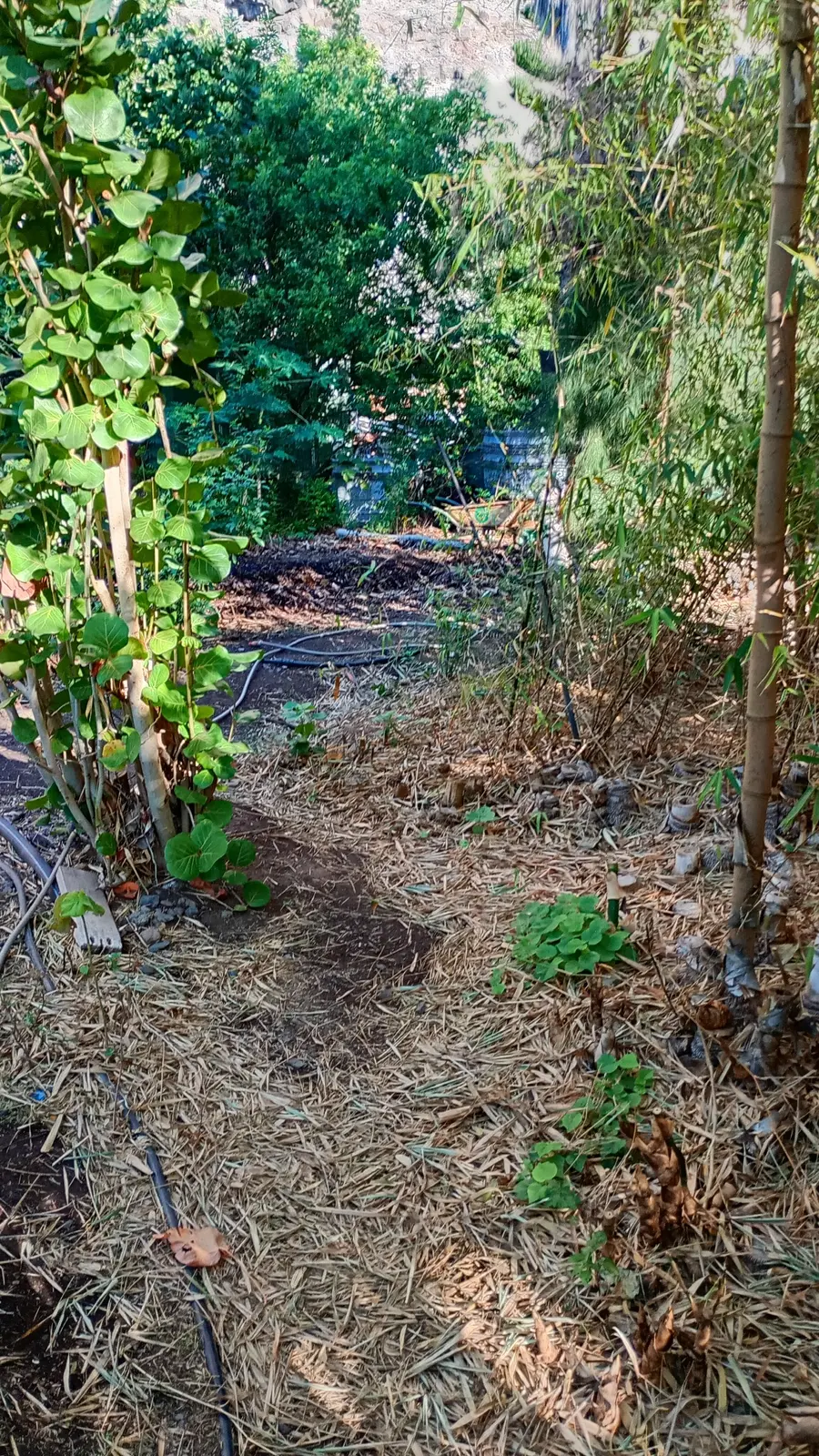
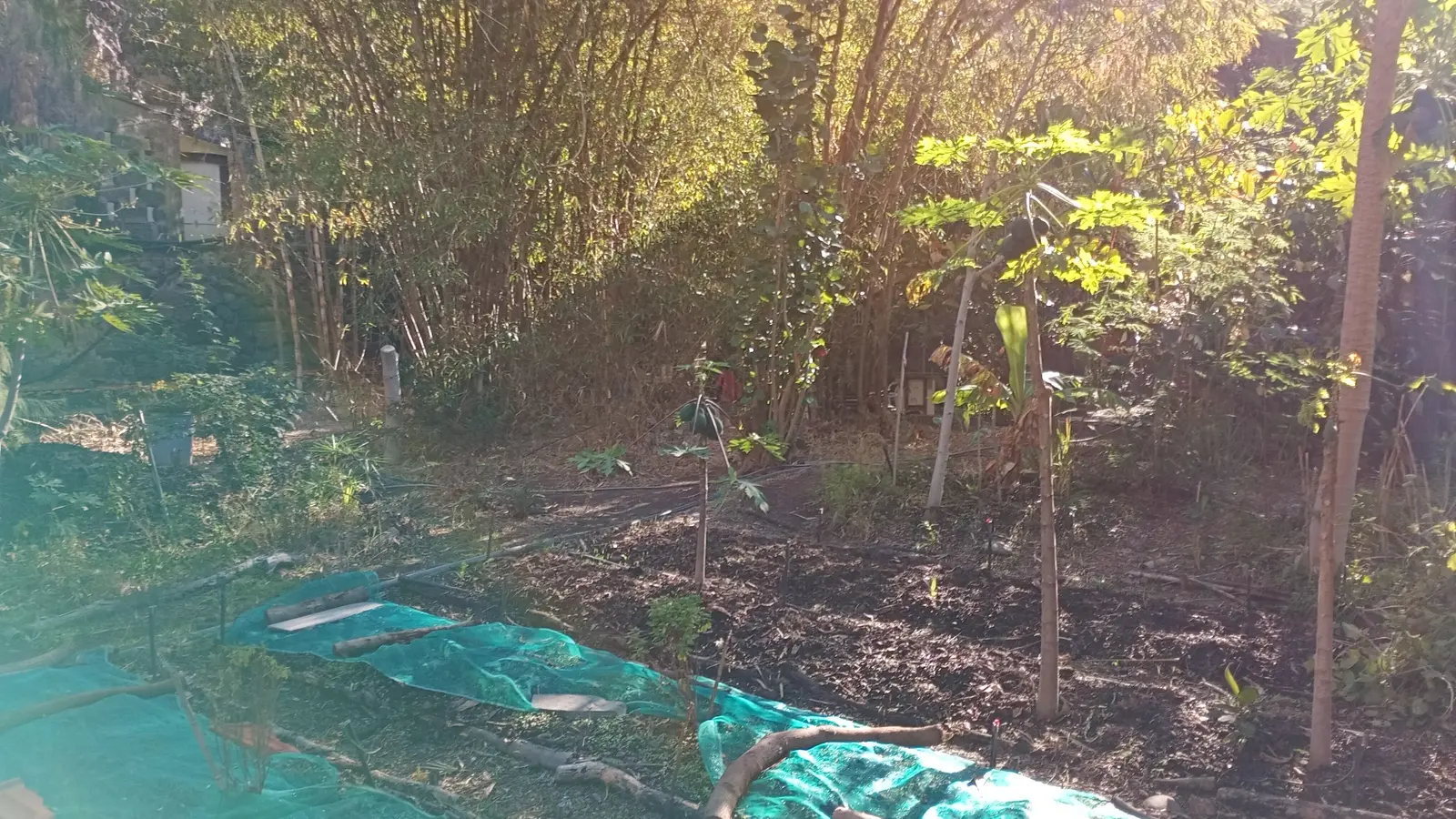
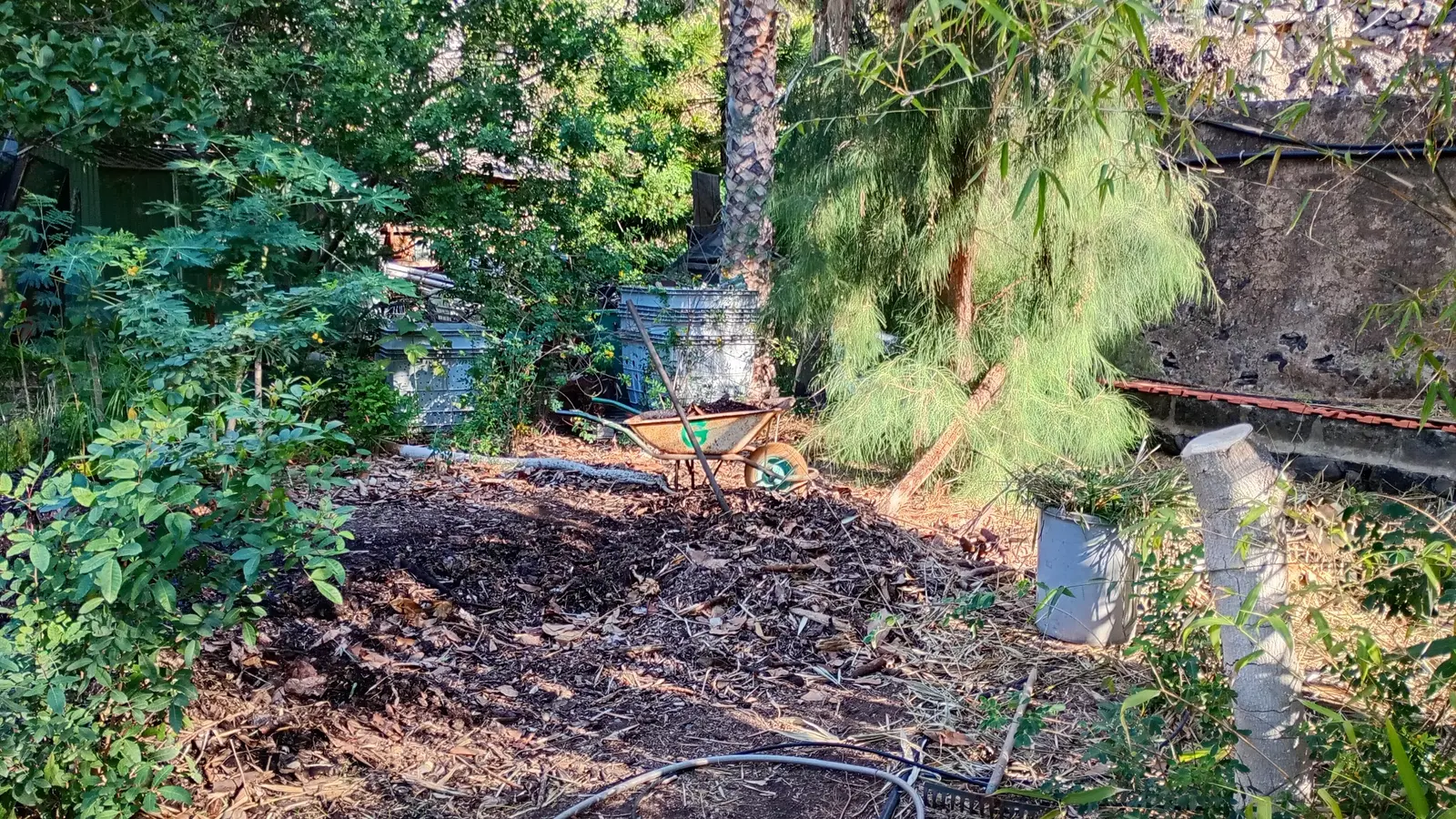
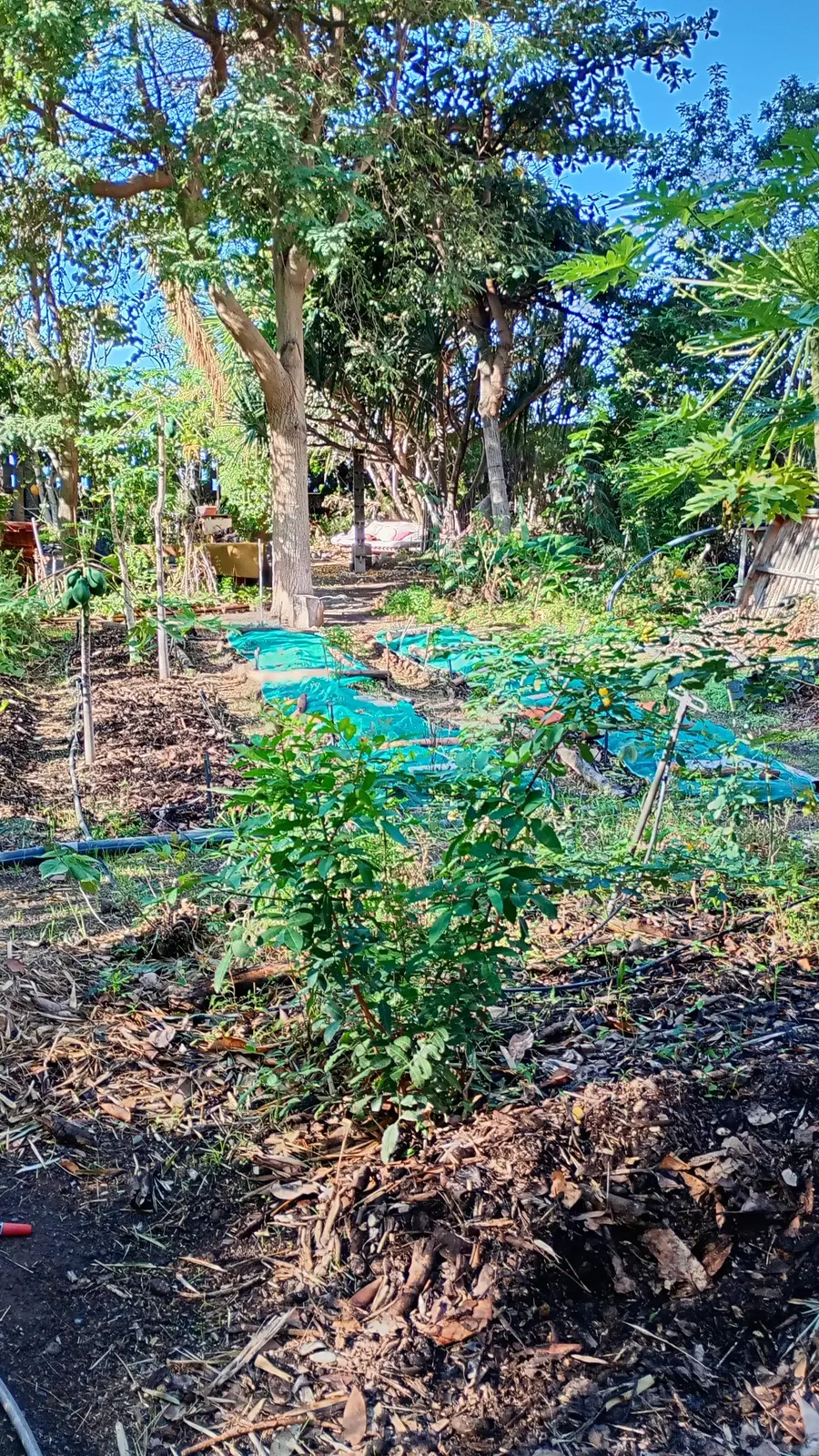
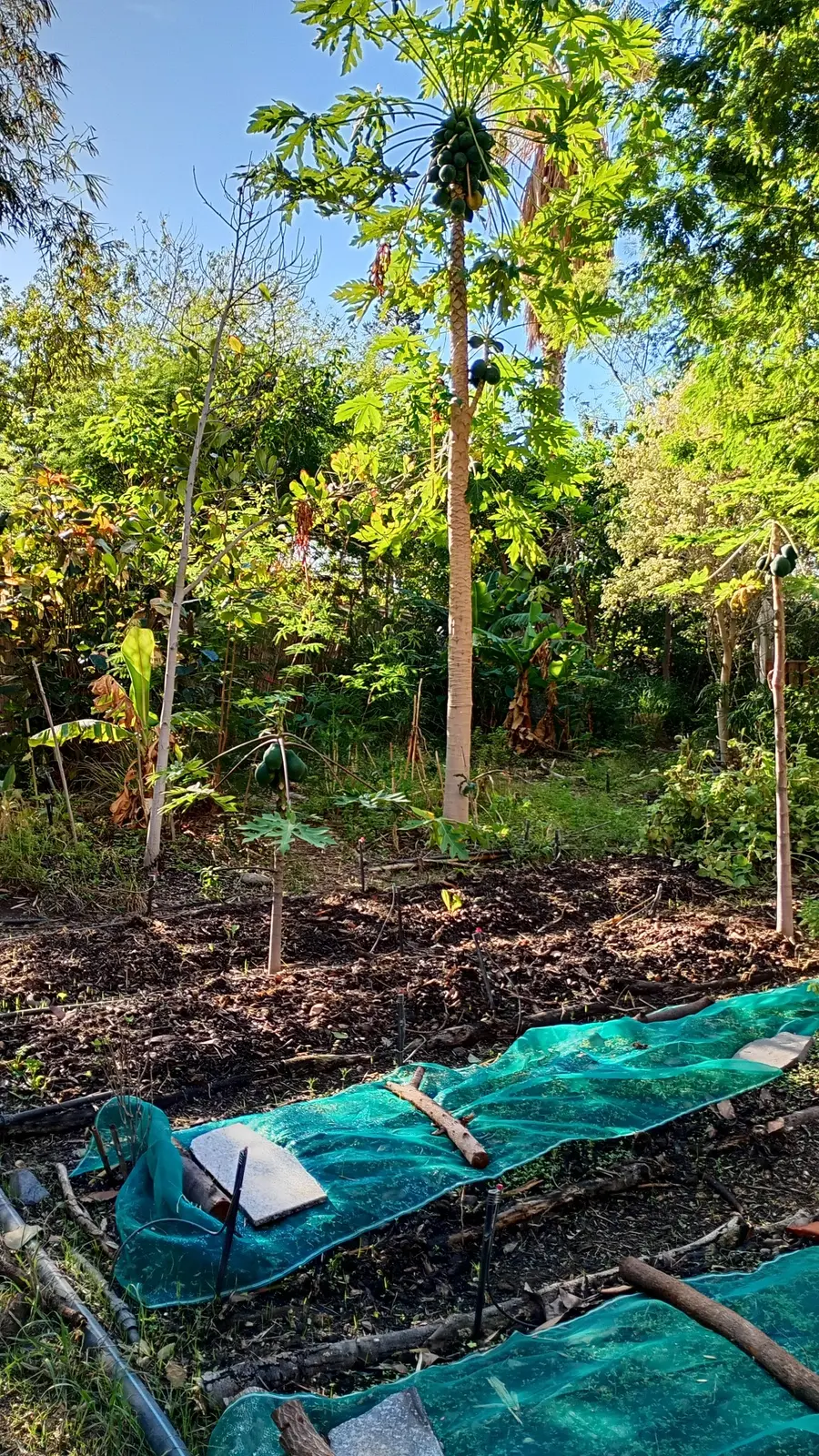
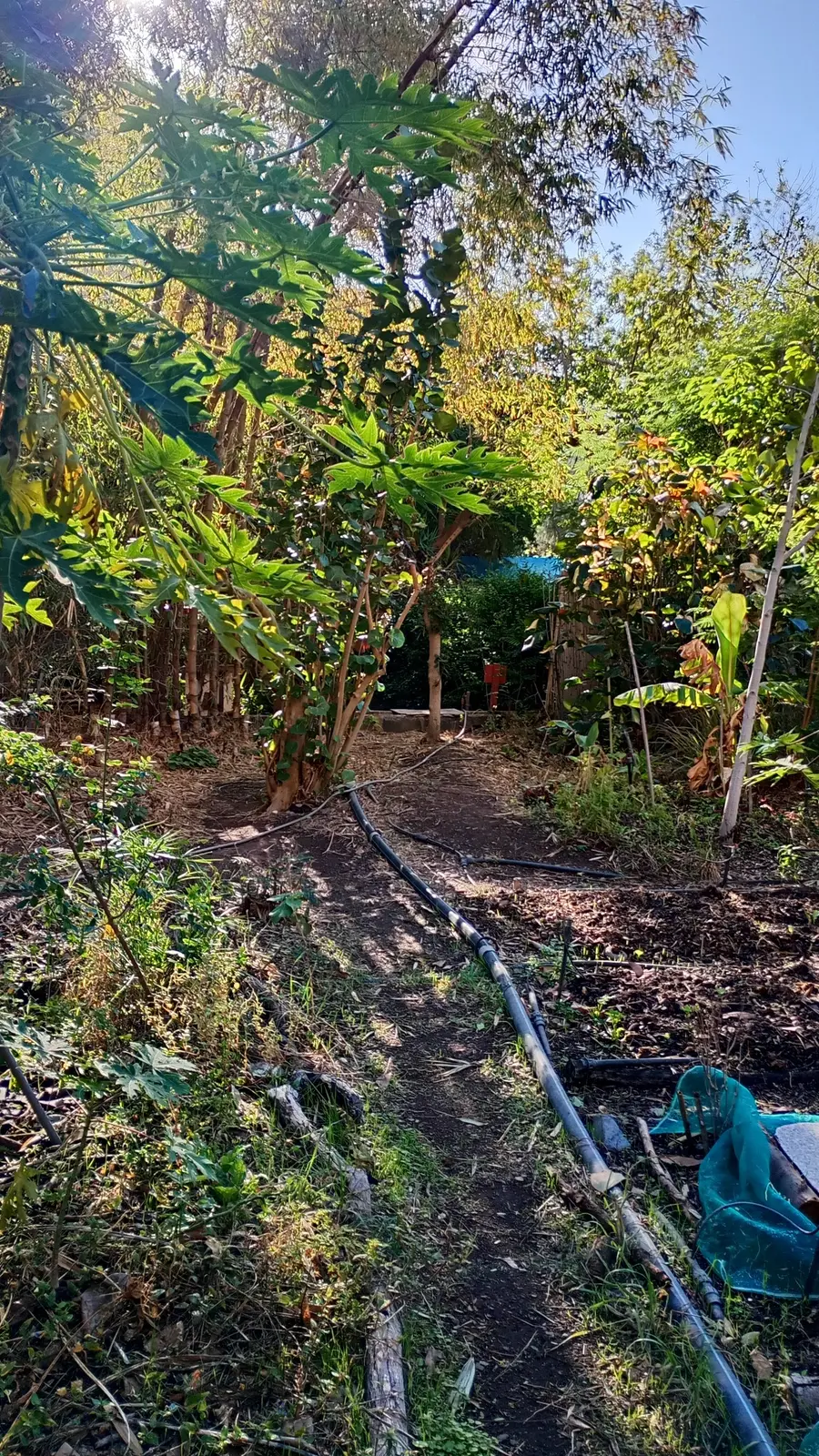
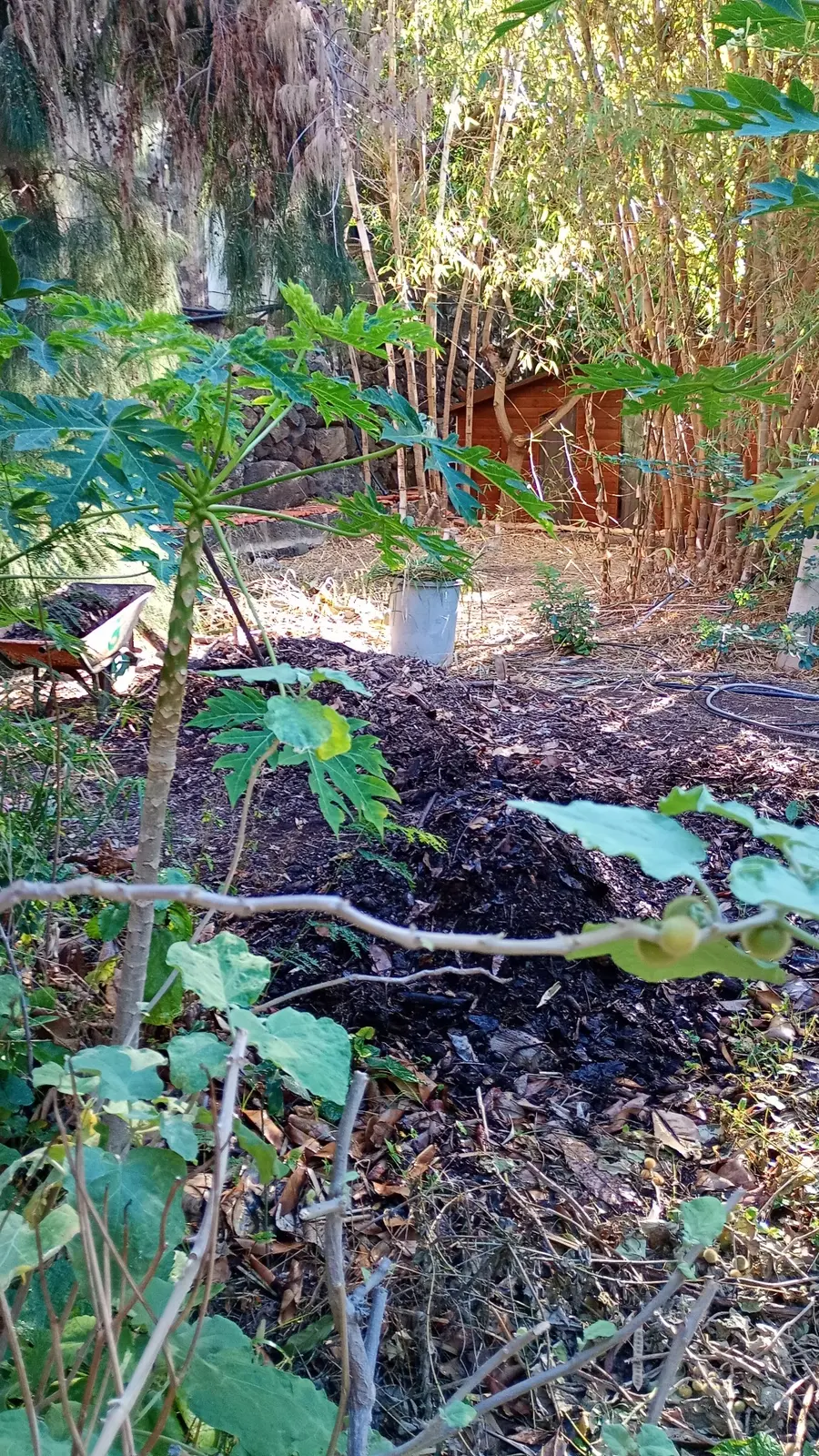
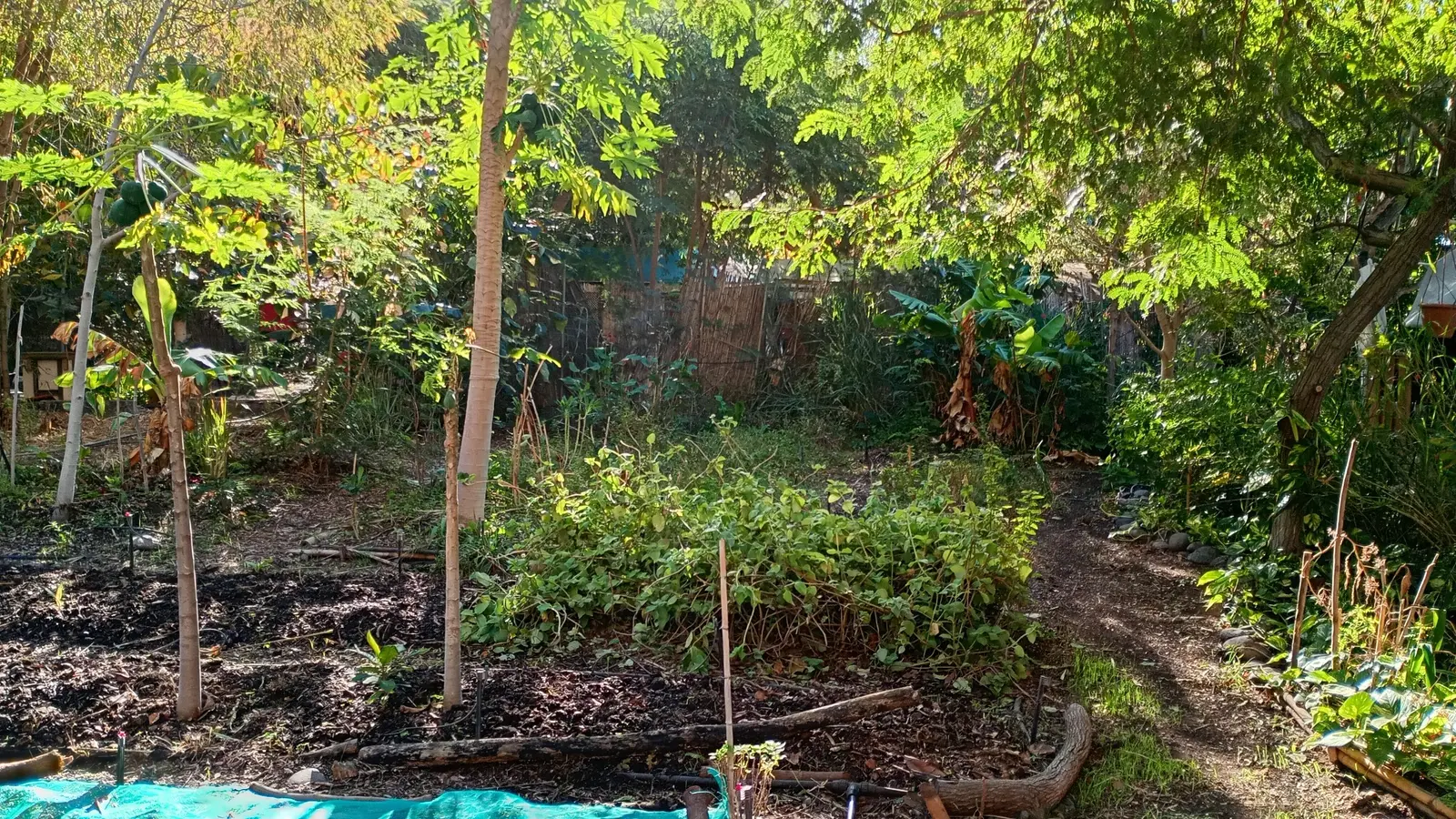
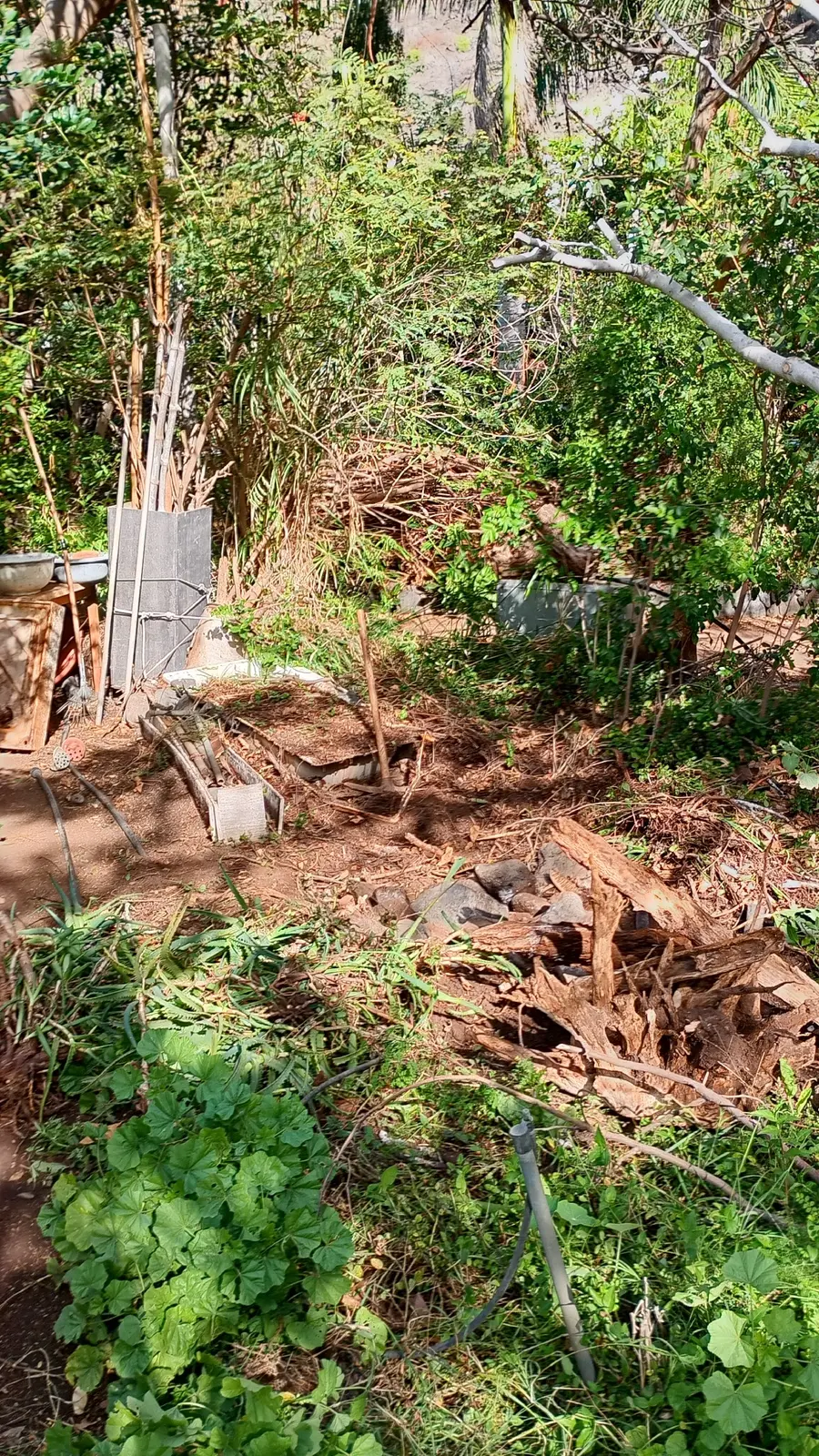
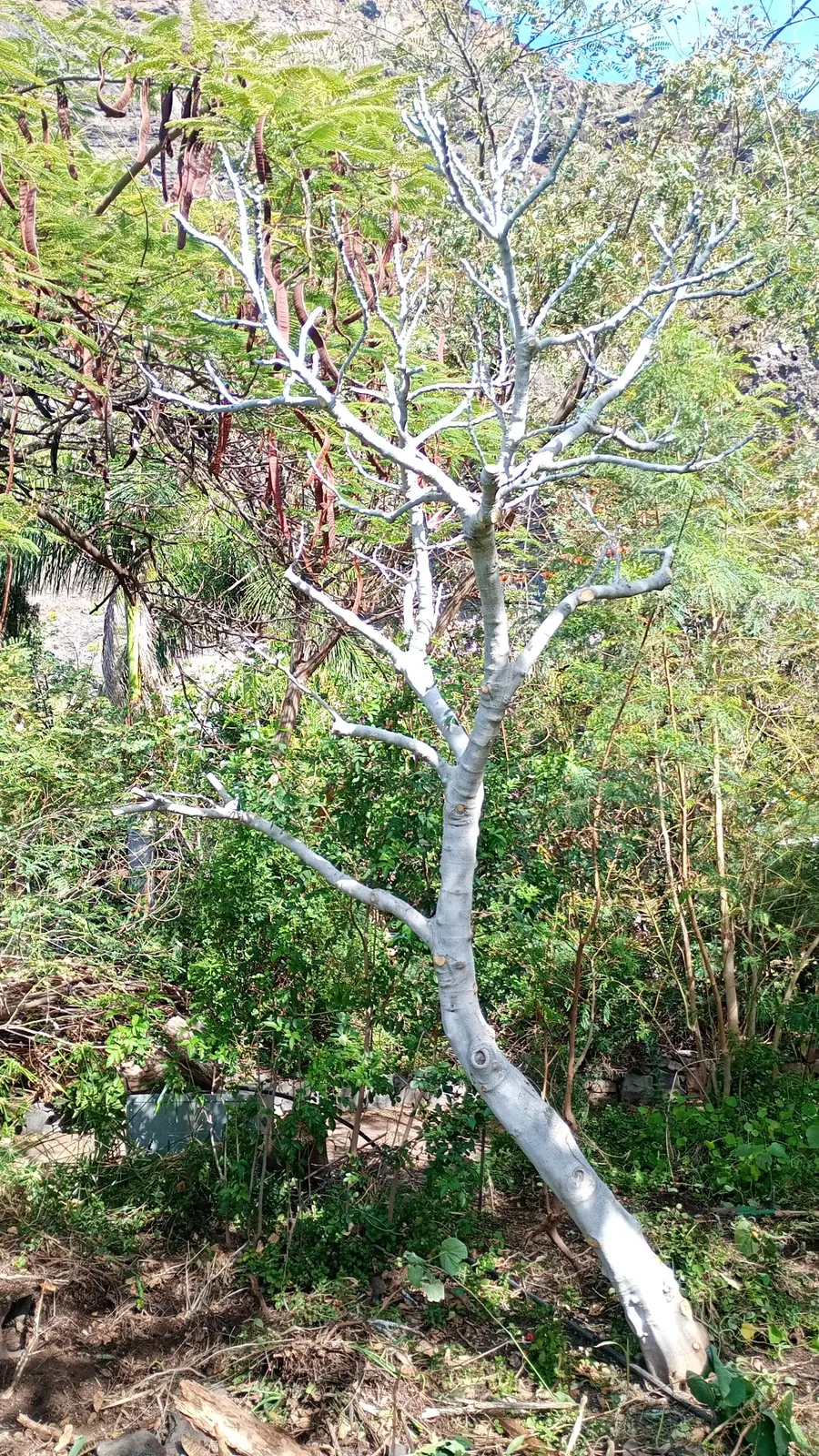
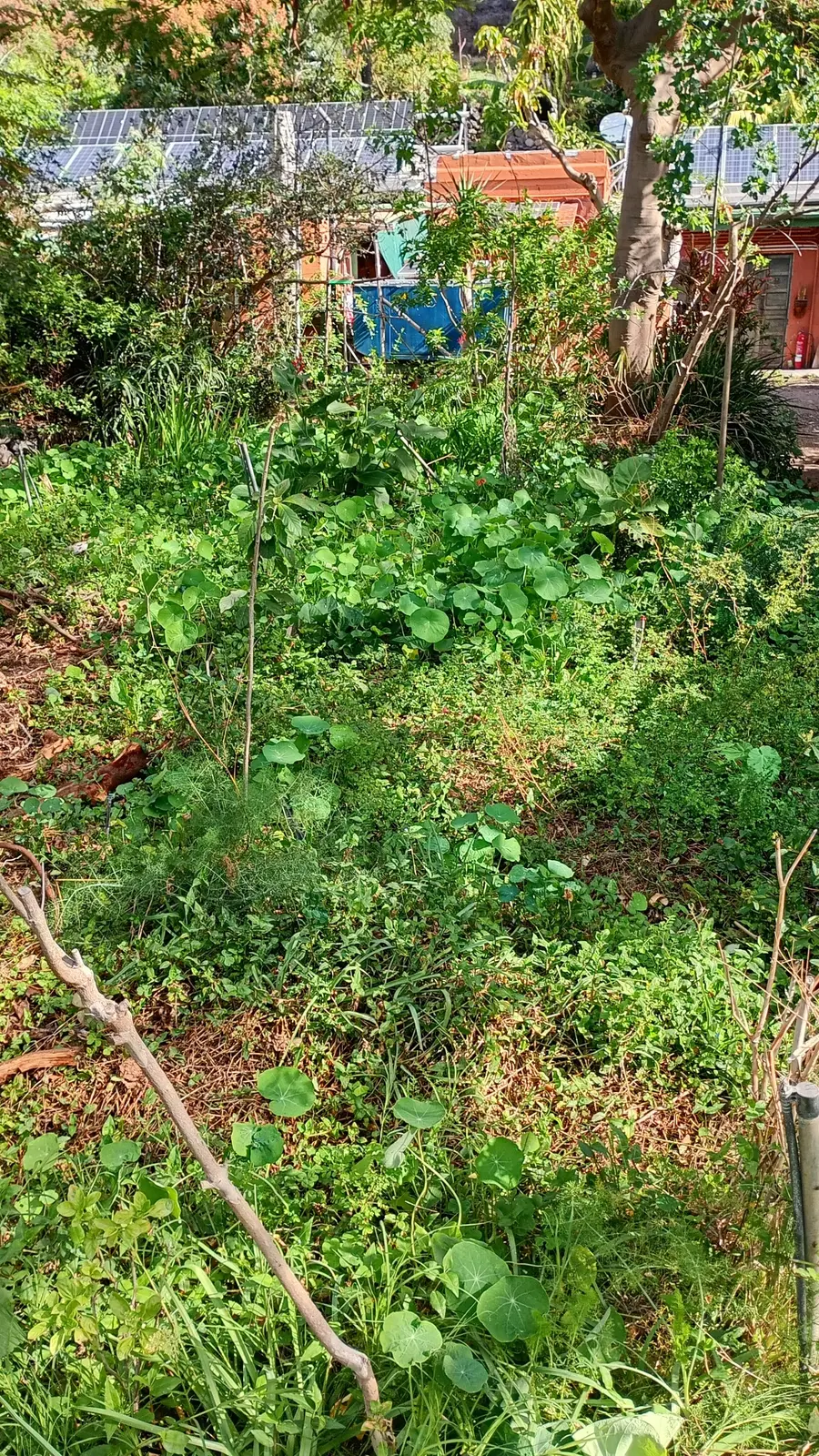
Organic materials and animal manure had previously been placed in deep pits on the site. Observations suggested that some of this material decomposed anaerobically or remained largely undecomposed for a long time. The experience showed that organic matter alone does not guarantee stable soil development: moisture, oxygen, the carbon-to-nitrogen ratio, the mineral matrix and microbial activity must interact.
Controlled aerobic composting created a stable organic and microbial foundation. The prepared material could then be incorporated deliberately into the wider regeneration process.
Damaged vegetation was to be removed and returned to the material cycle wherever possible. Suitable healthy woody plants were retained to avoid unnecessary destruction of existing ecological structures.
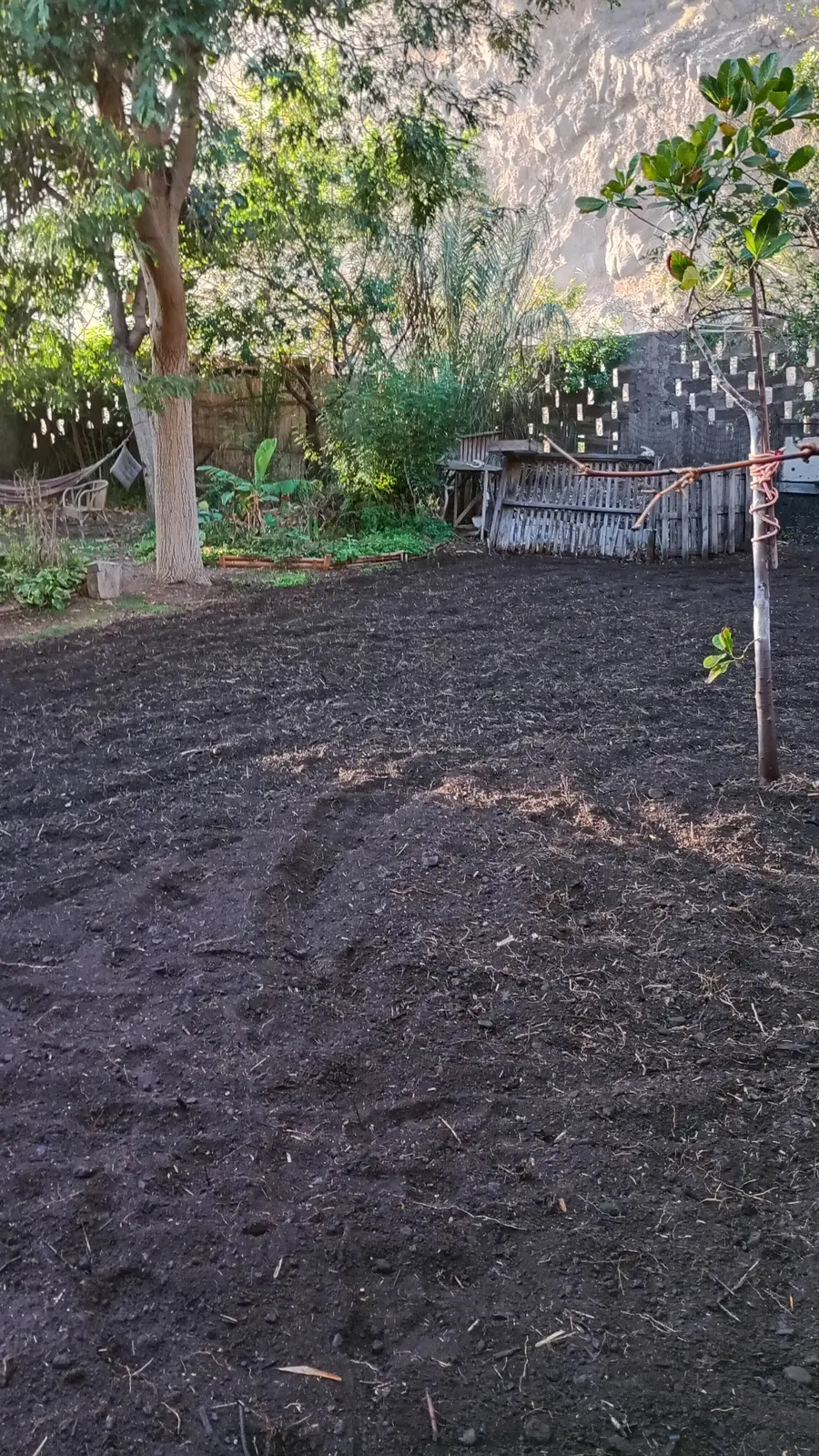
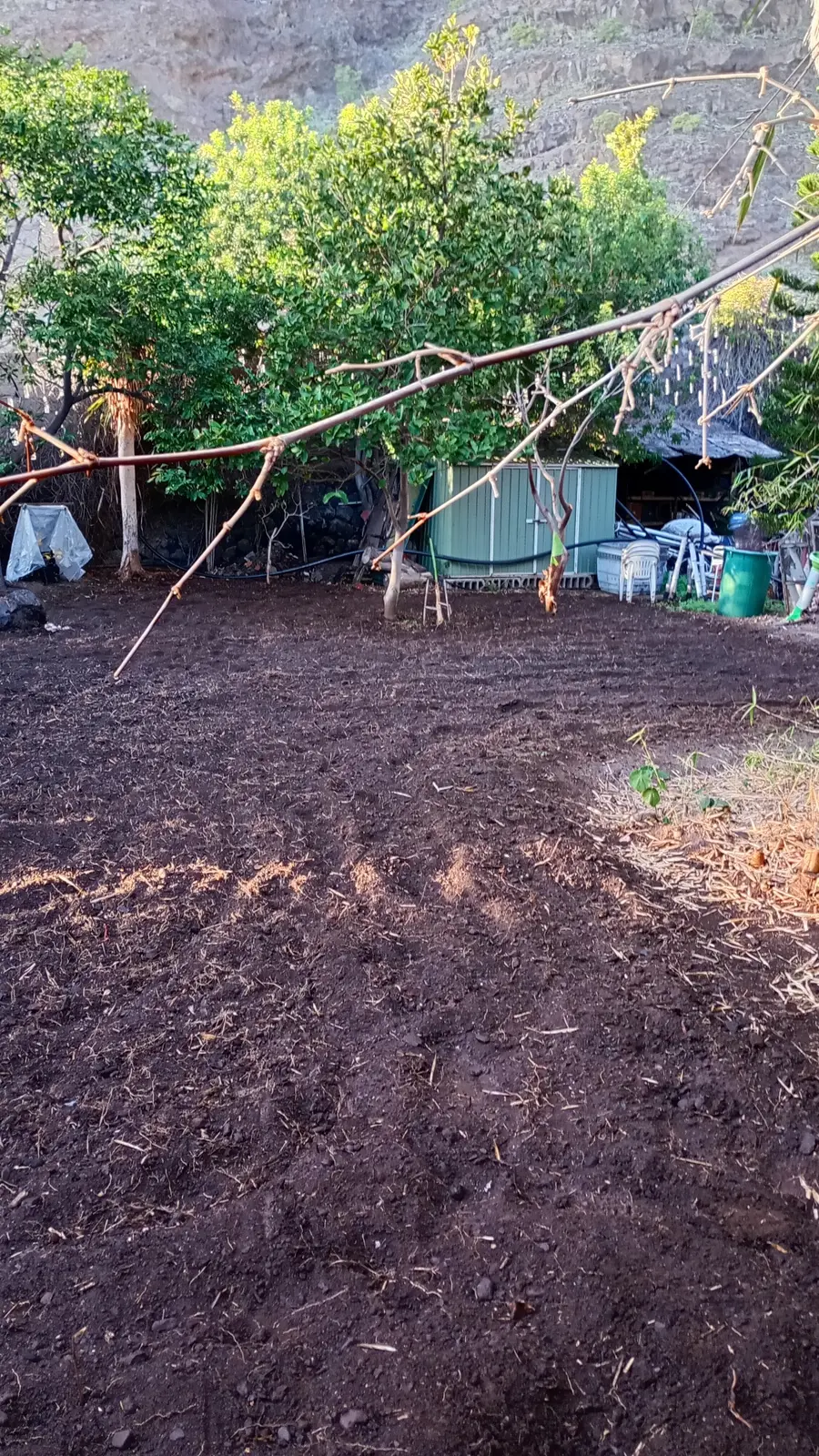
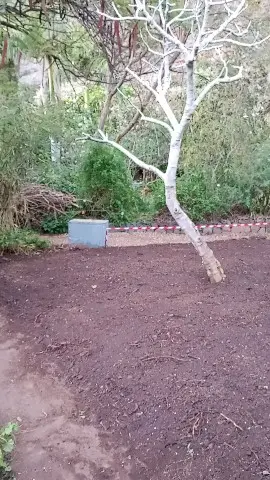
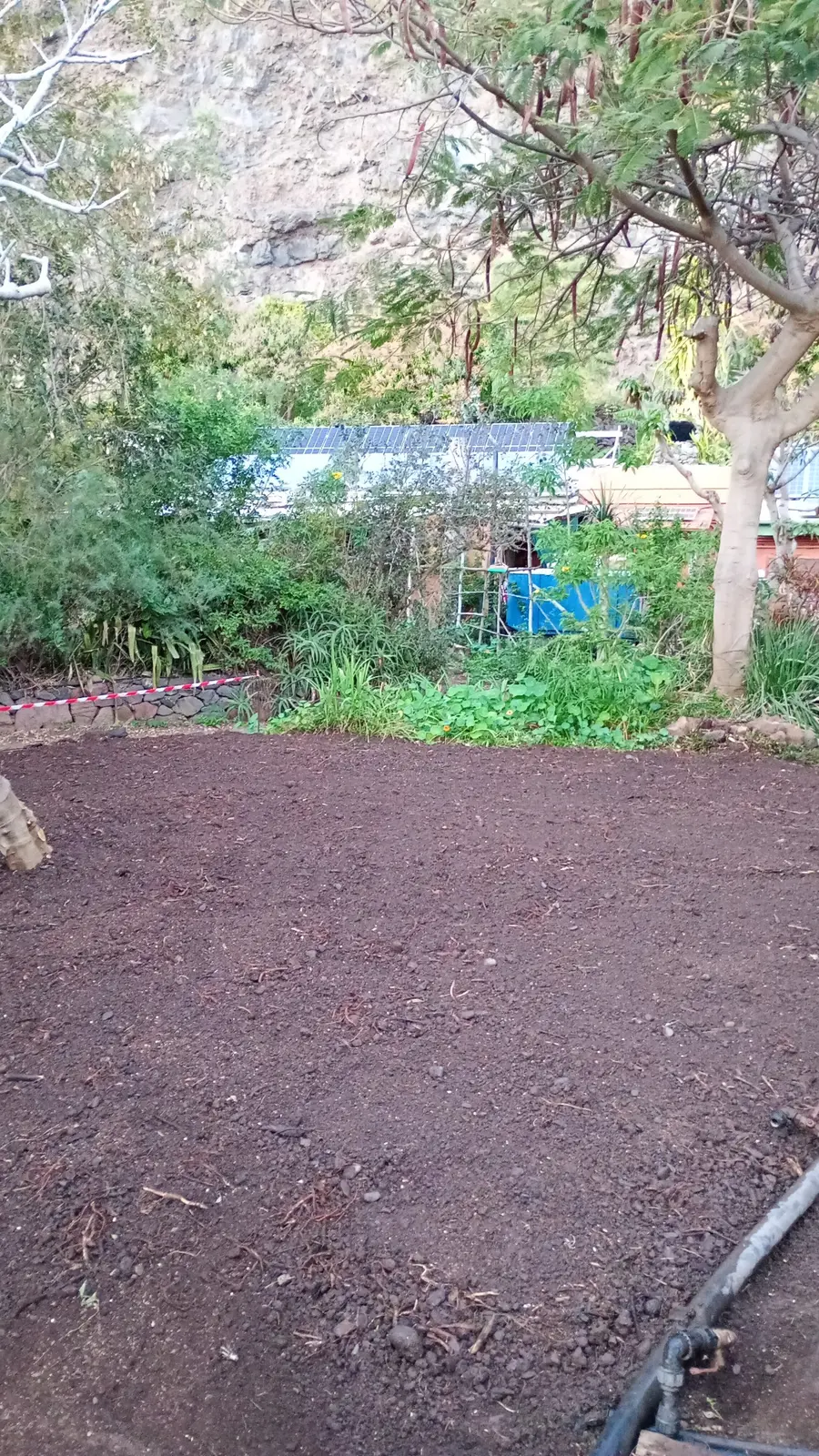
Severe compaction made mechanical loosening with a motorised tiller necessary. The intervention was intended to enable germination, root development and the incorporation of carefully selected materials.
Organic and mineral components were selected according to site conditions. The focus was on structure, buffering, water-holding capacity, nutrient dynamics and the creation of a more diverse organo-mineral matrix.
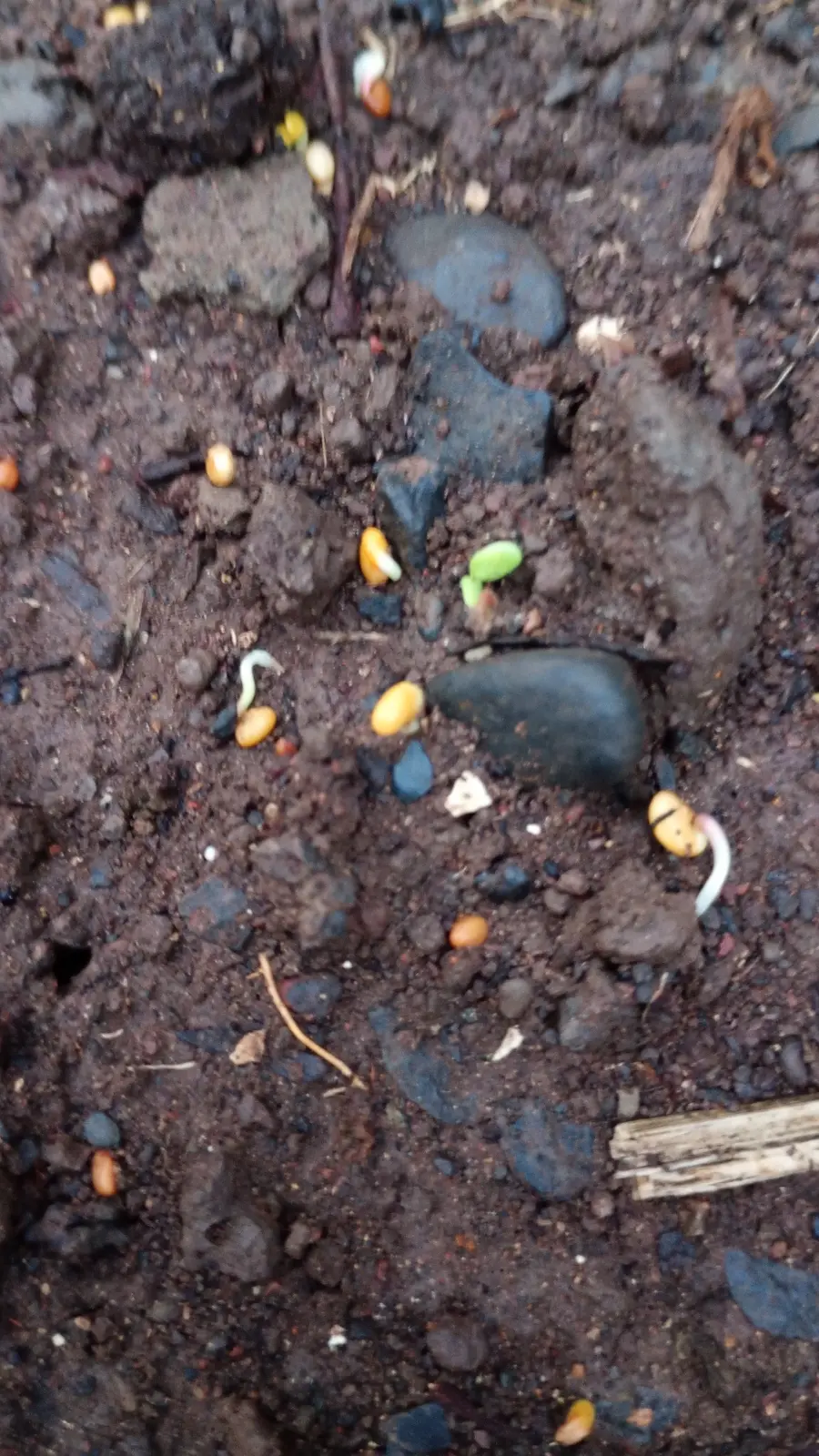
Nitrogen-fixing plants, biomass producers and deep-rooted species were combined. The plants could cover and root through the soil, supply organic matter and create habitat and food for the soil ecosystem.
Compost tea and other inoculation approaches could support the development of fungi, aerobic bacteria, single-celled organisms and nematodes. People provided the impulse; the soil ecosystem was then intended to organise itself increasingly.
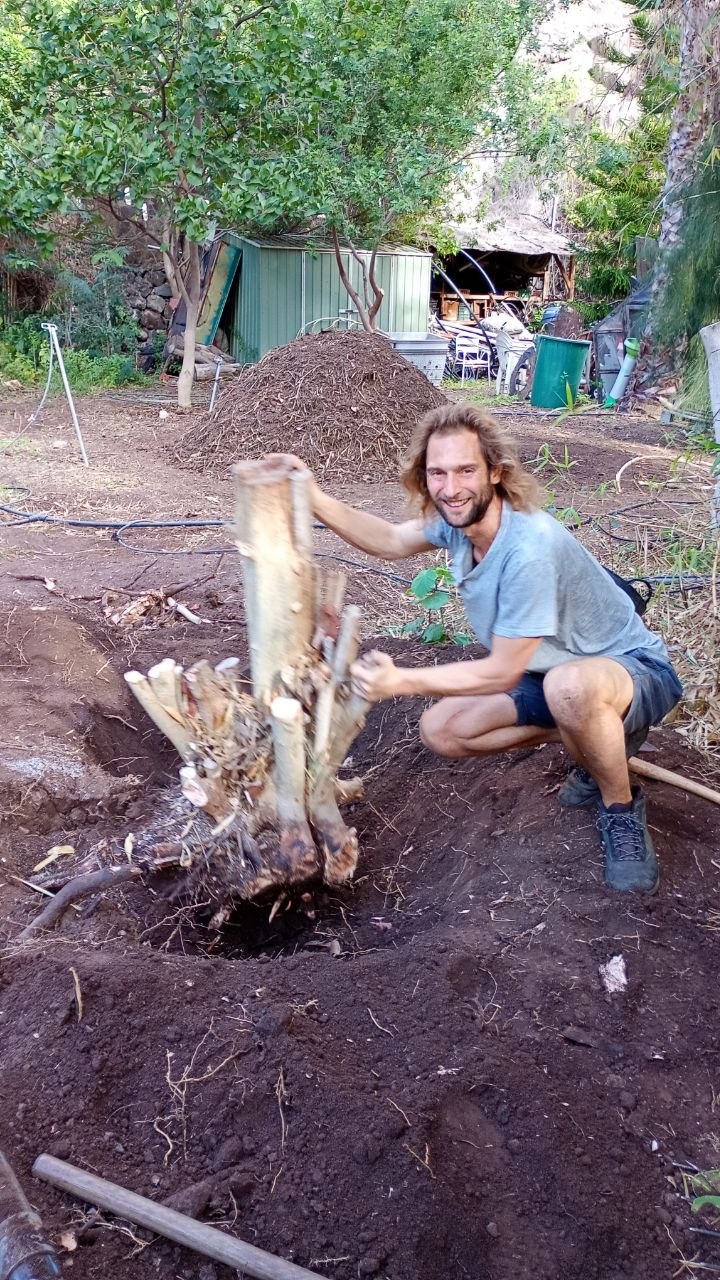
The area was prepared step by step. The images show the loosened soil surface and Alexander carrying out practical work at the site.

La Gomera is neither a universal formula nor completed scientific proof. The experience is the practical origin of a learning process. It showed the importance of adapting measures to each site, observing processes over the long term and not replacing natural cycles with isolated interventions.
The work that was successfully carried out gave rise to the core idea that continues to shape RED: people do not build an ecosystem like a machine. They can, however, improve conditions, initiate cycles, observe and take responsibility. The experience on La Gomera therefore provides an important practical reference for the RED Method and for developing Project: Fertile Earth as a future living laboratory.
“As a human being, I am only able to provide the impulse and temporarily create an environment in which plants and soil life can develop.”
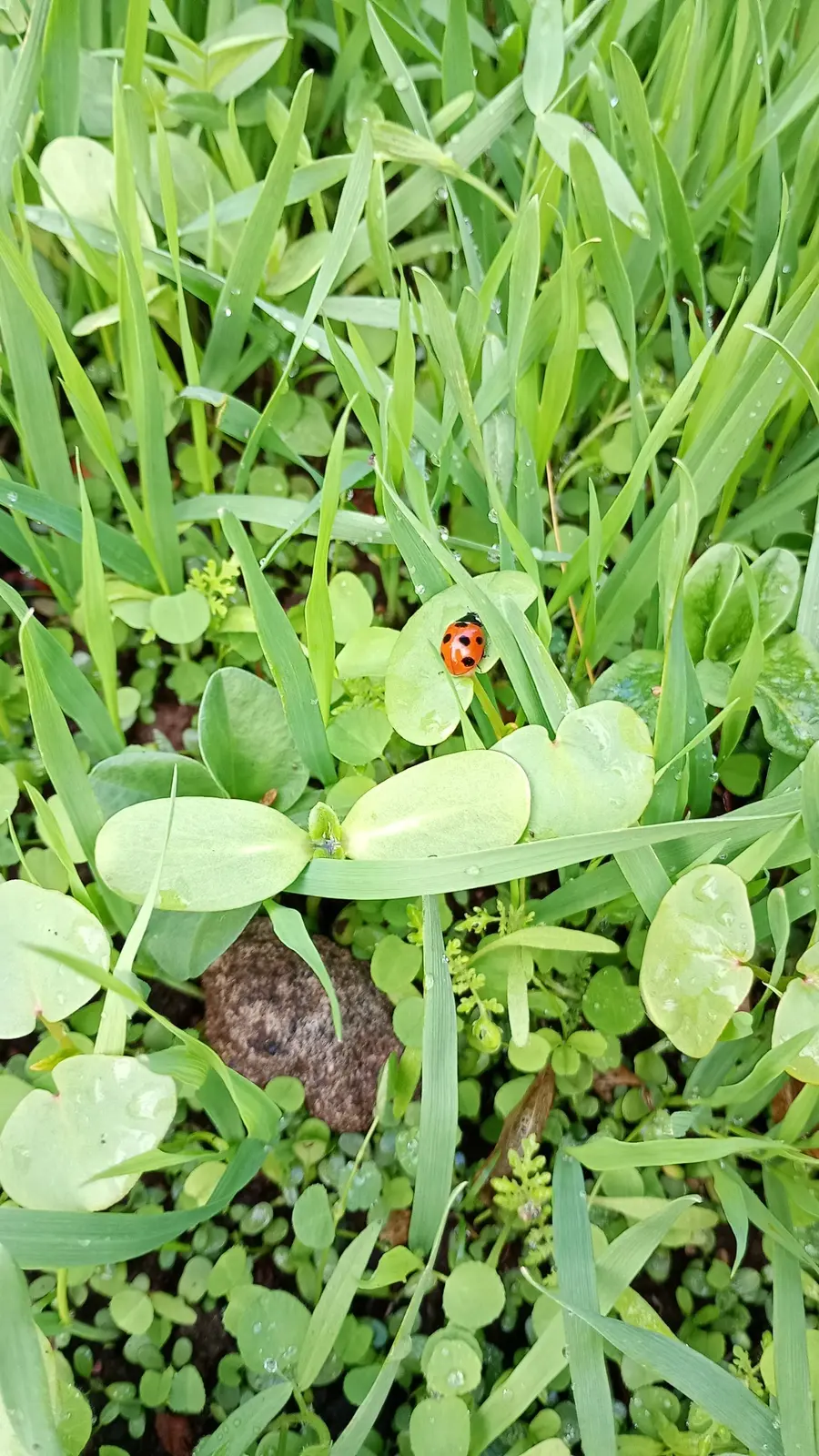
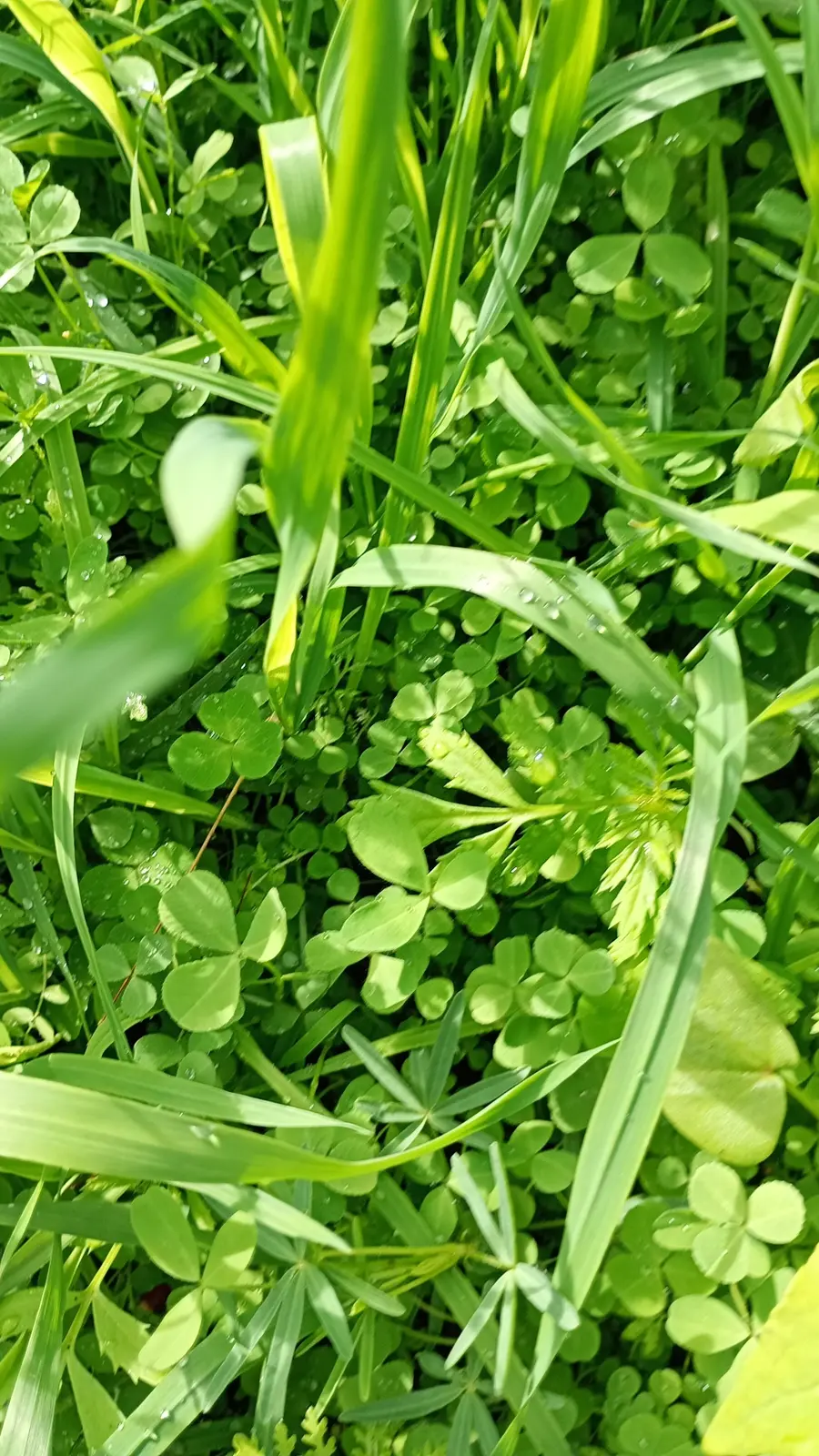
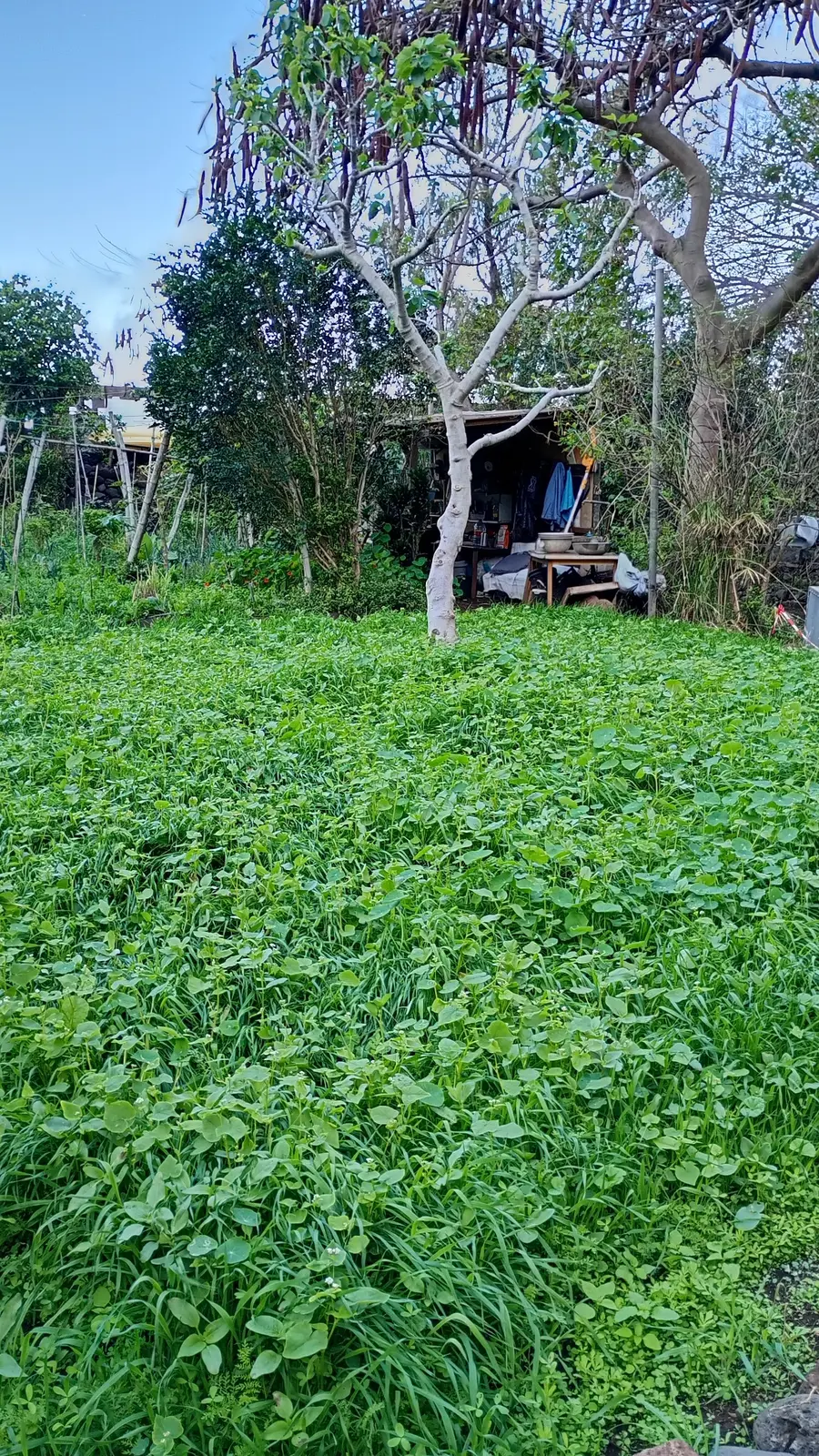
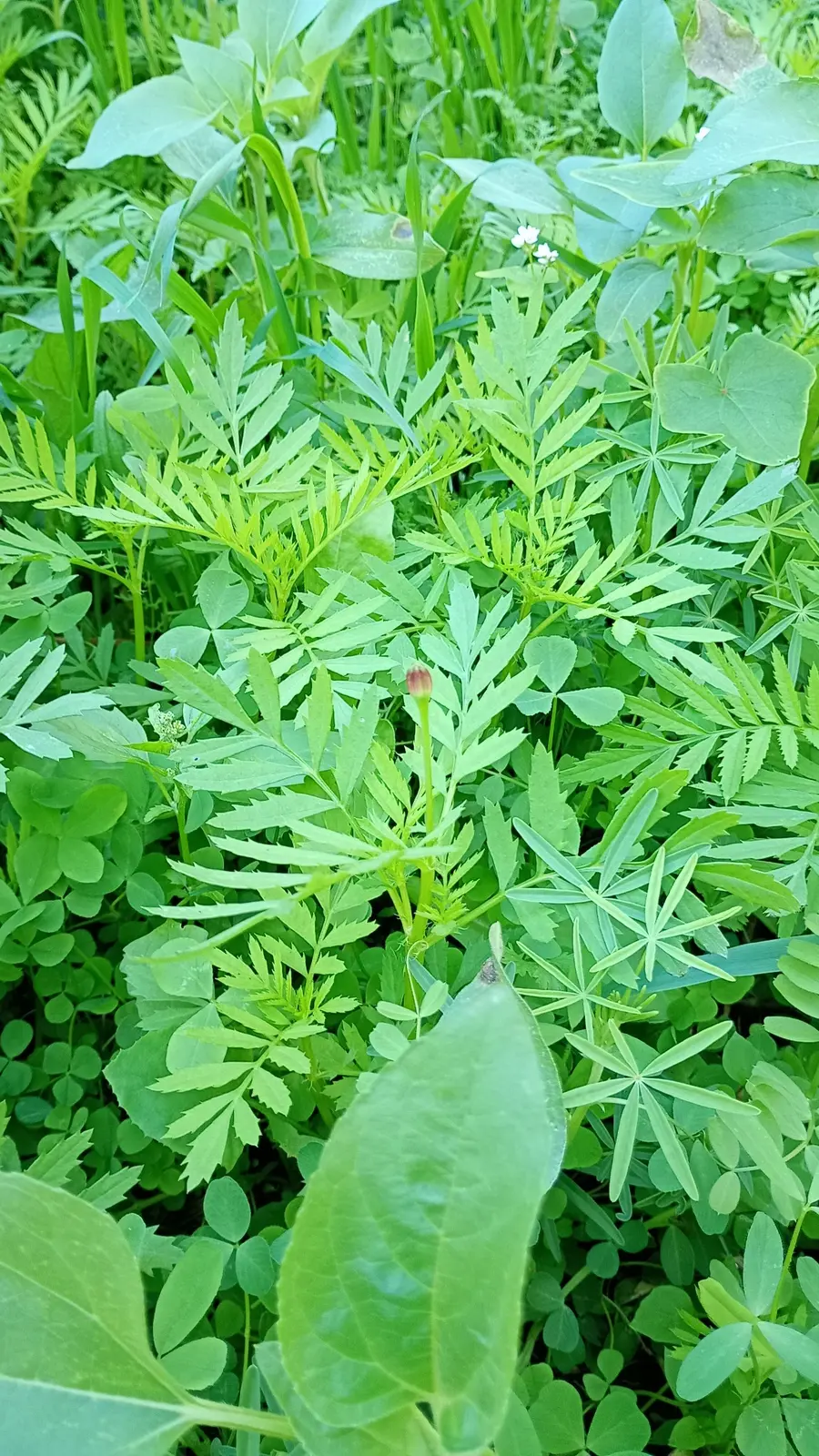
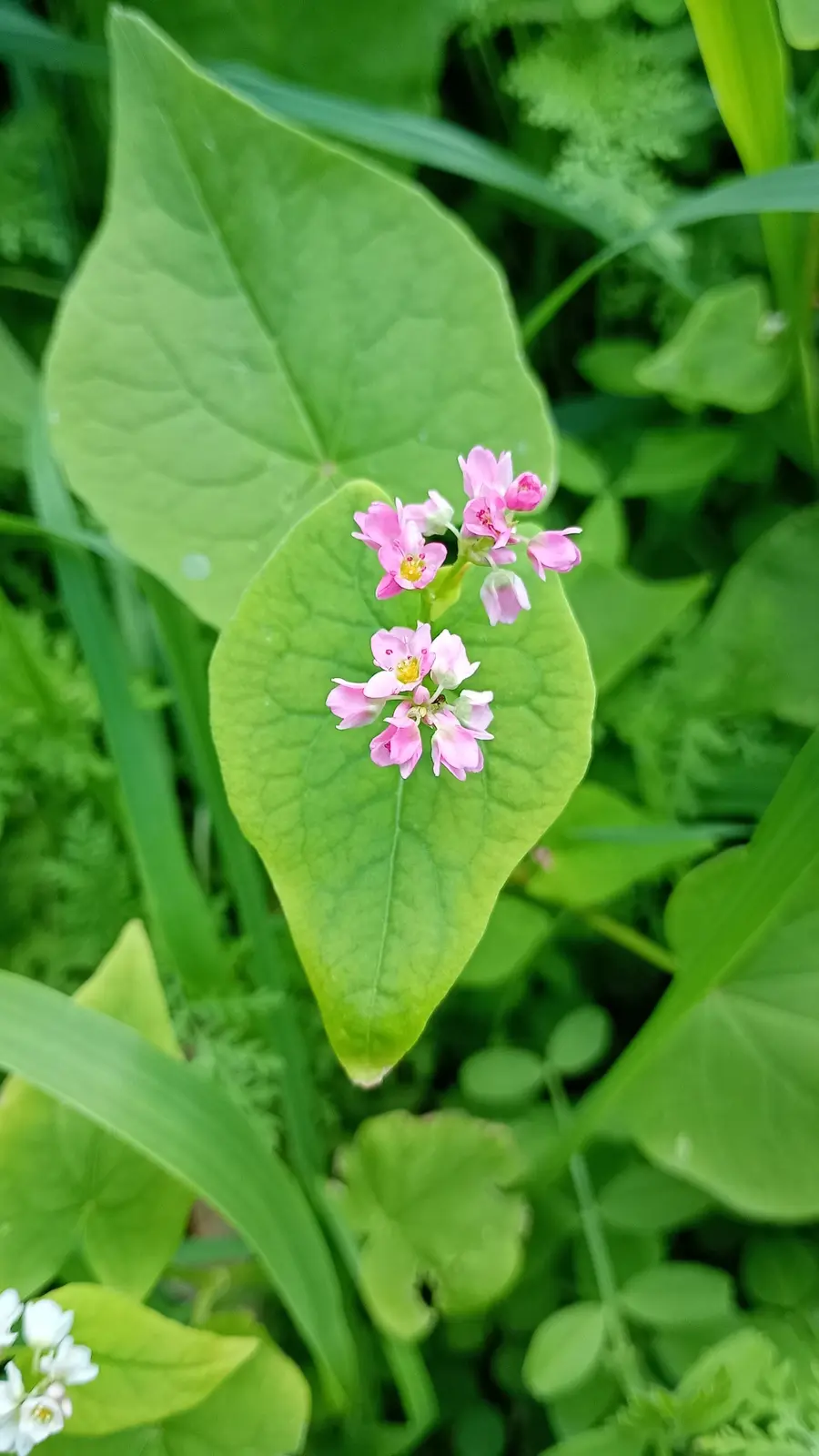
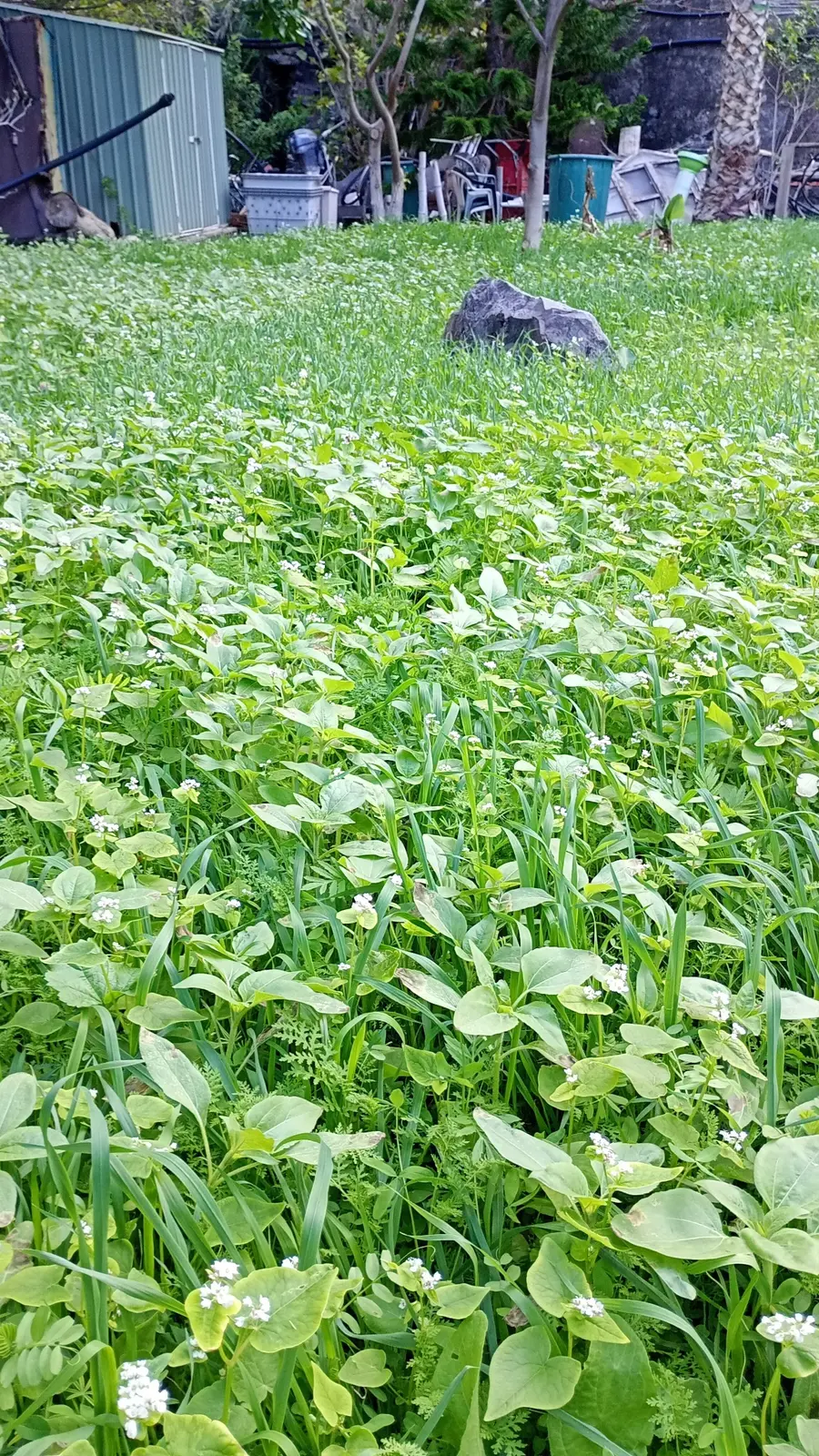
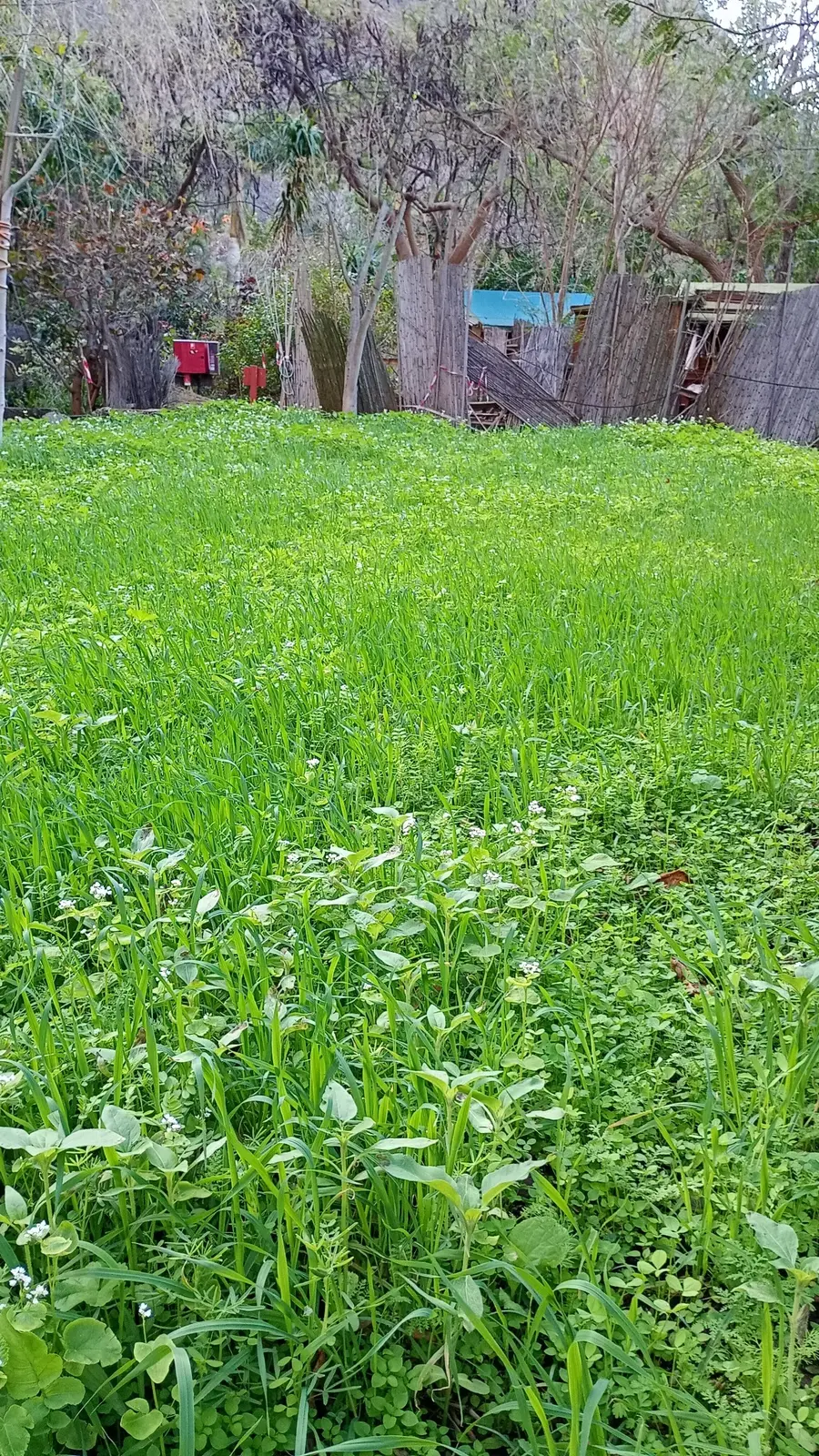
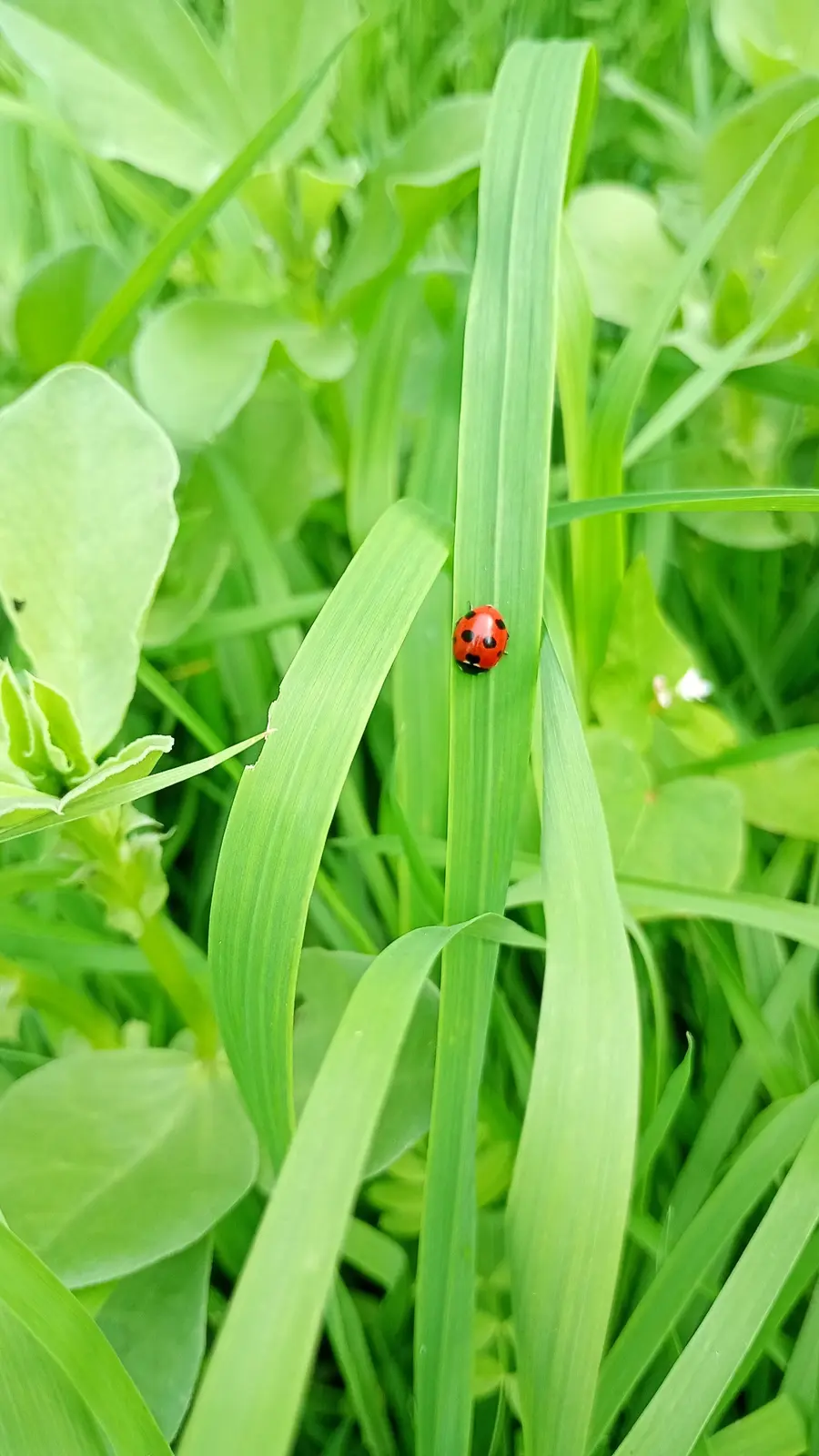
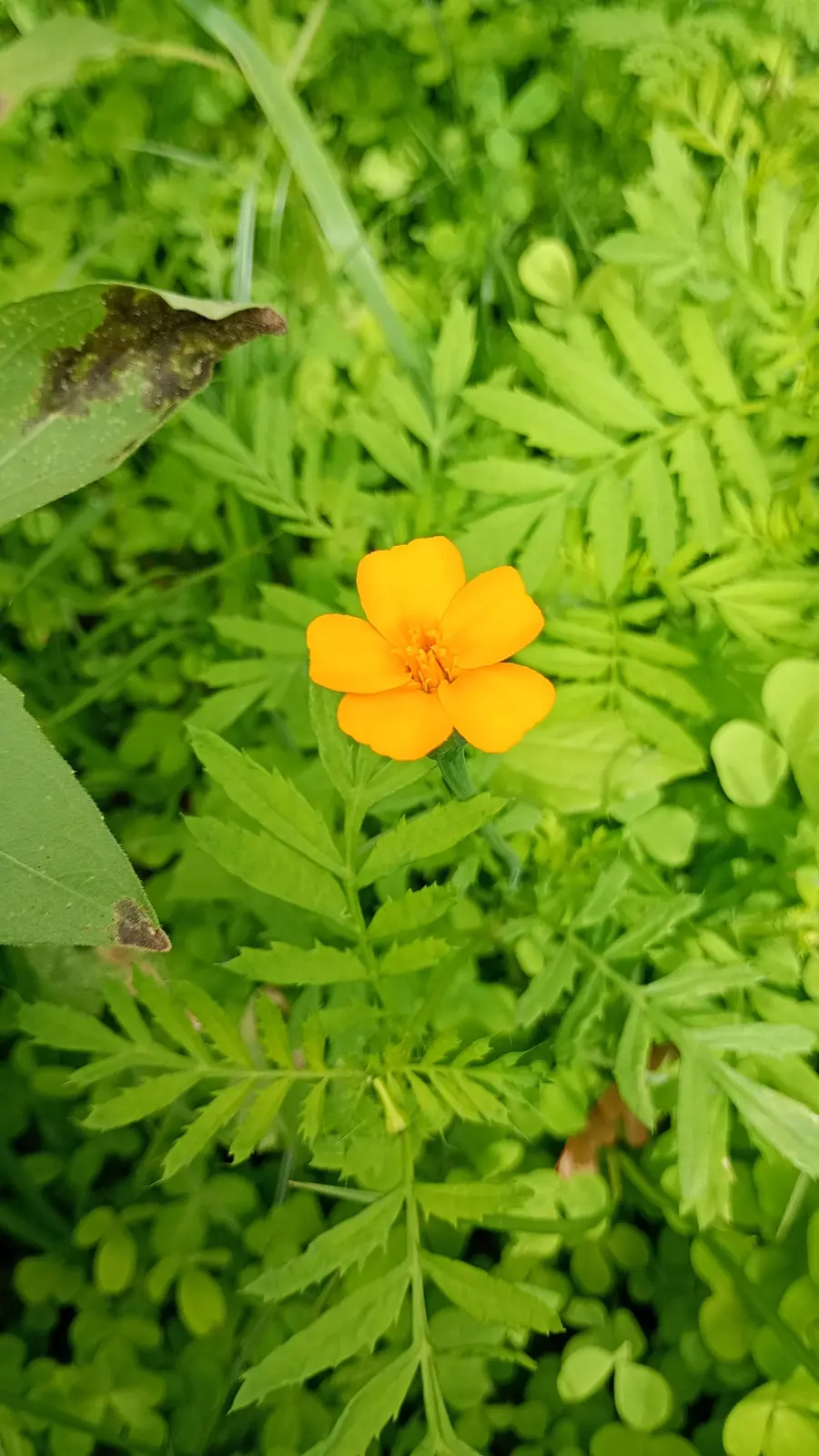
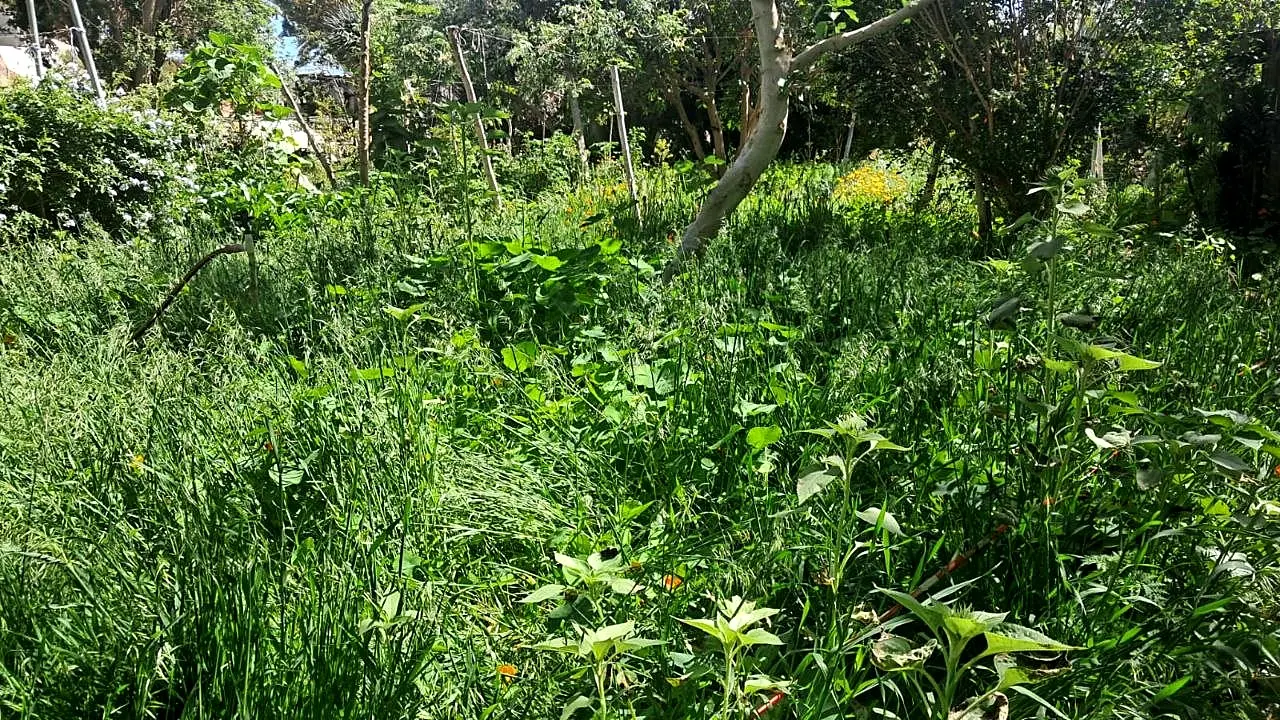
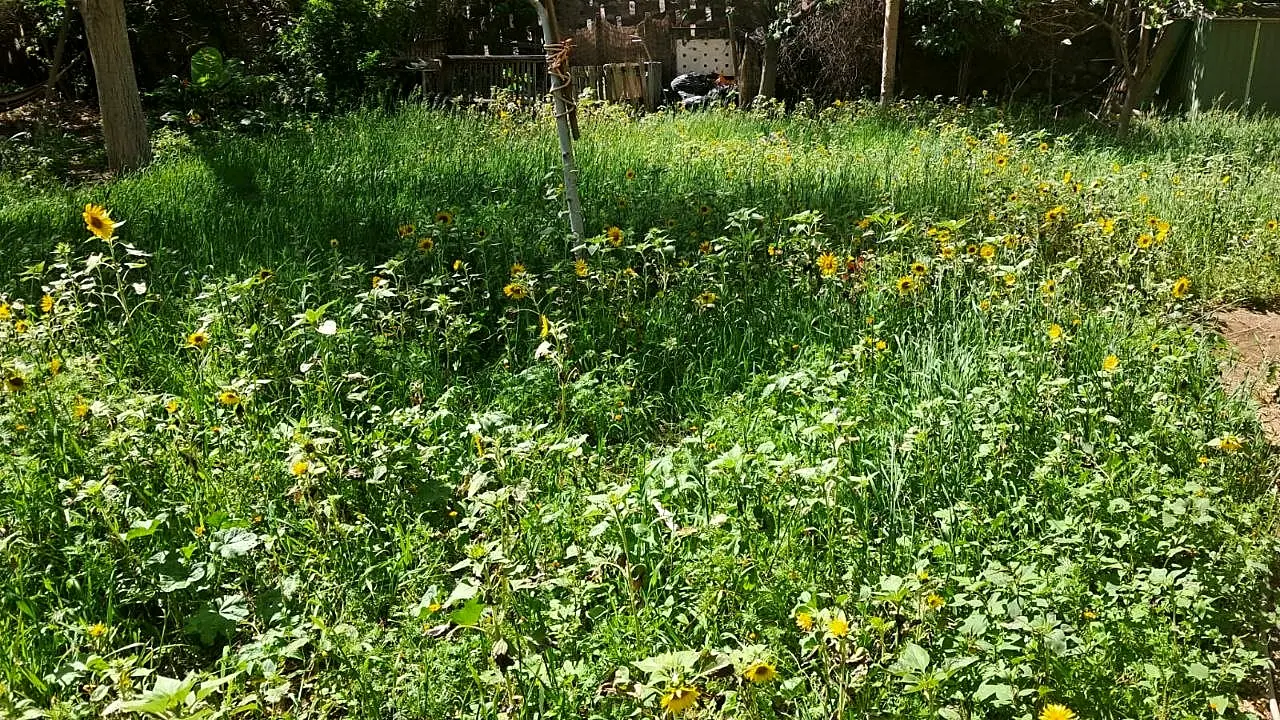
Paraphrased from the documentation of the project site on La GomeraThe result was largely closed, diverse soil cover. Different plant forms, flowering resources and visible beneficial organisms demonstrate the increasing ecological structure of the area.
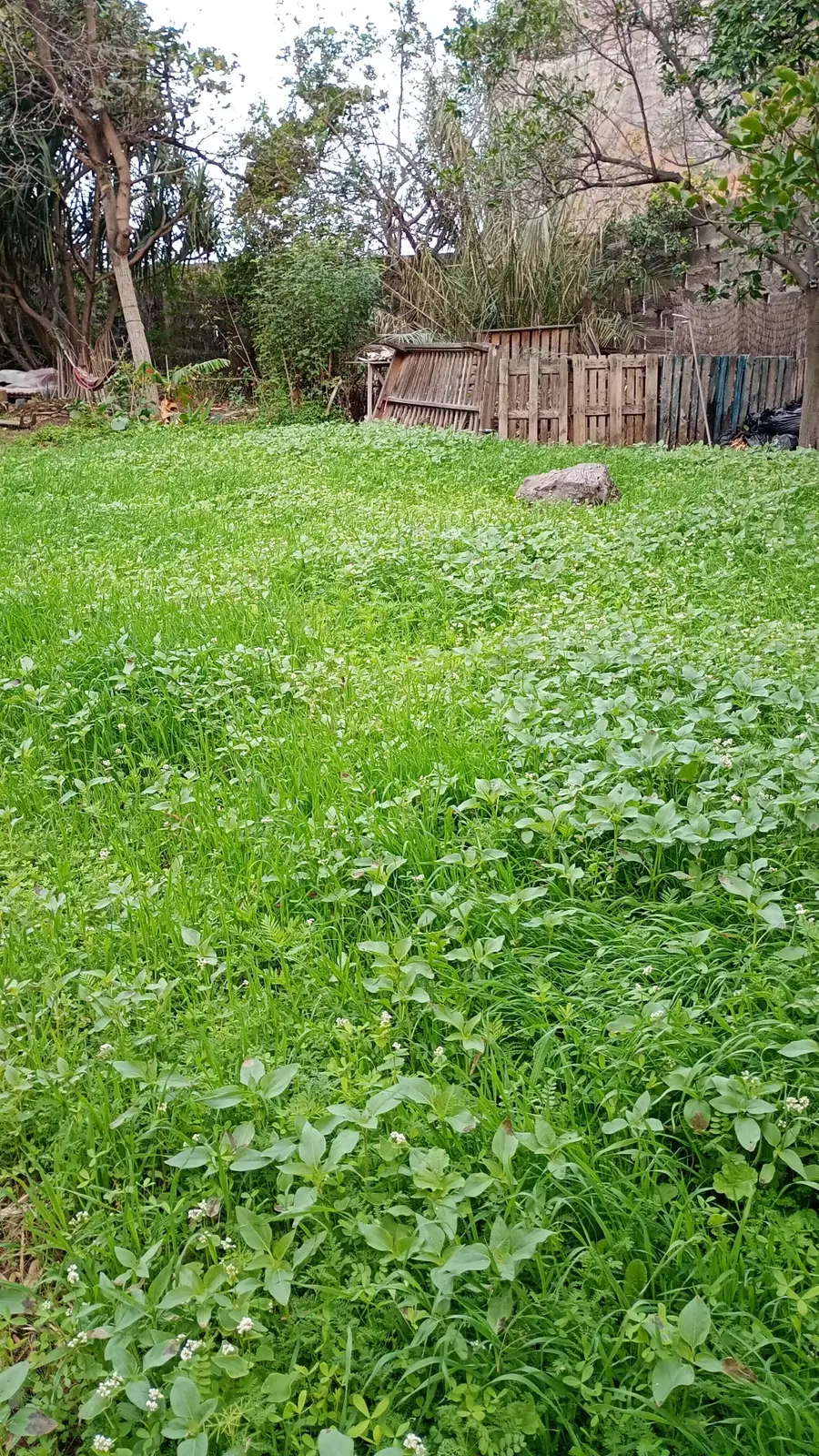
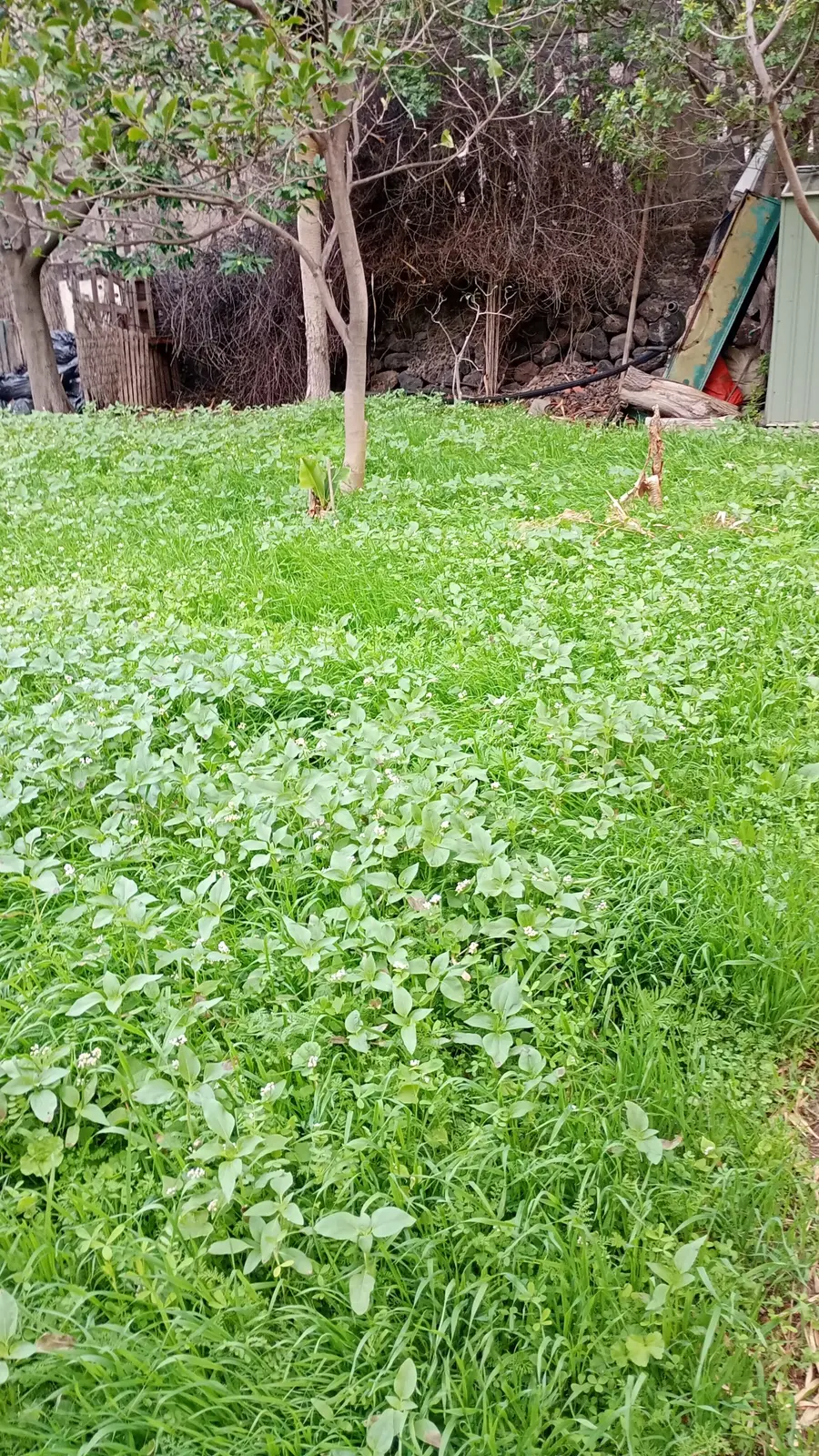
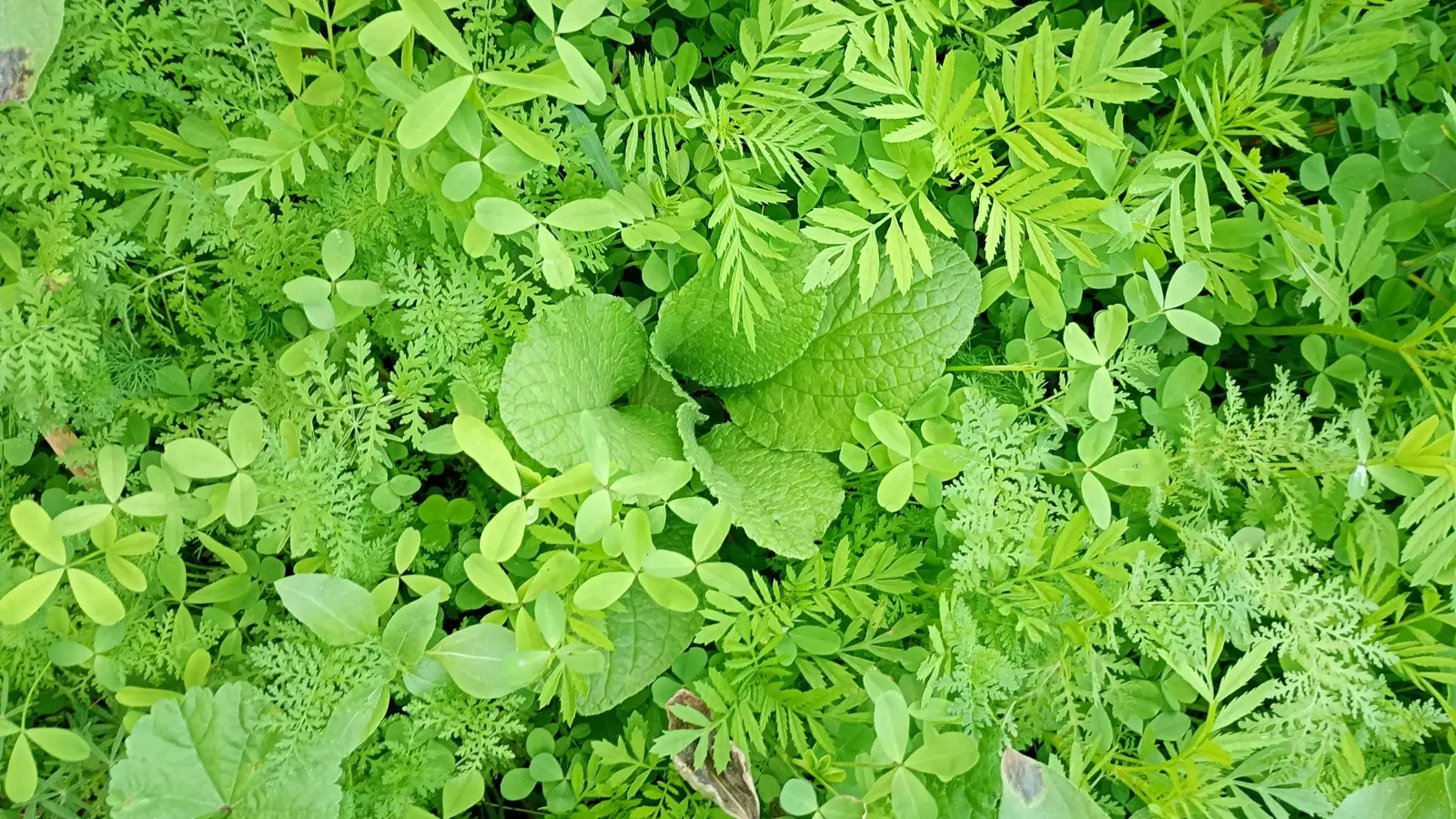
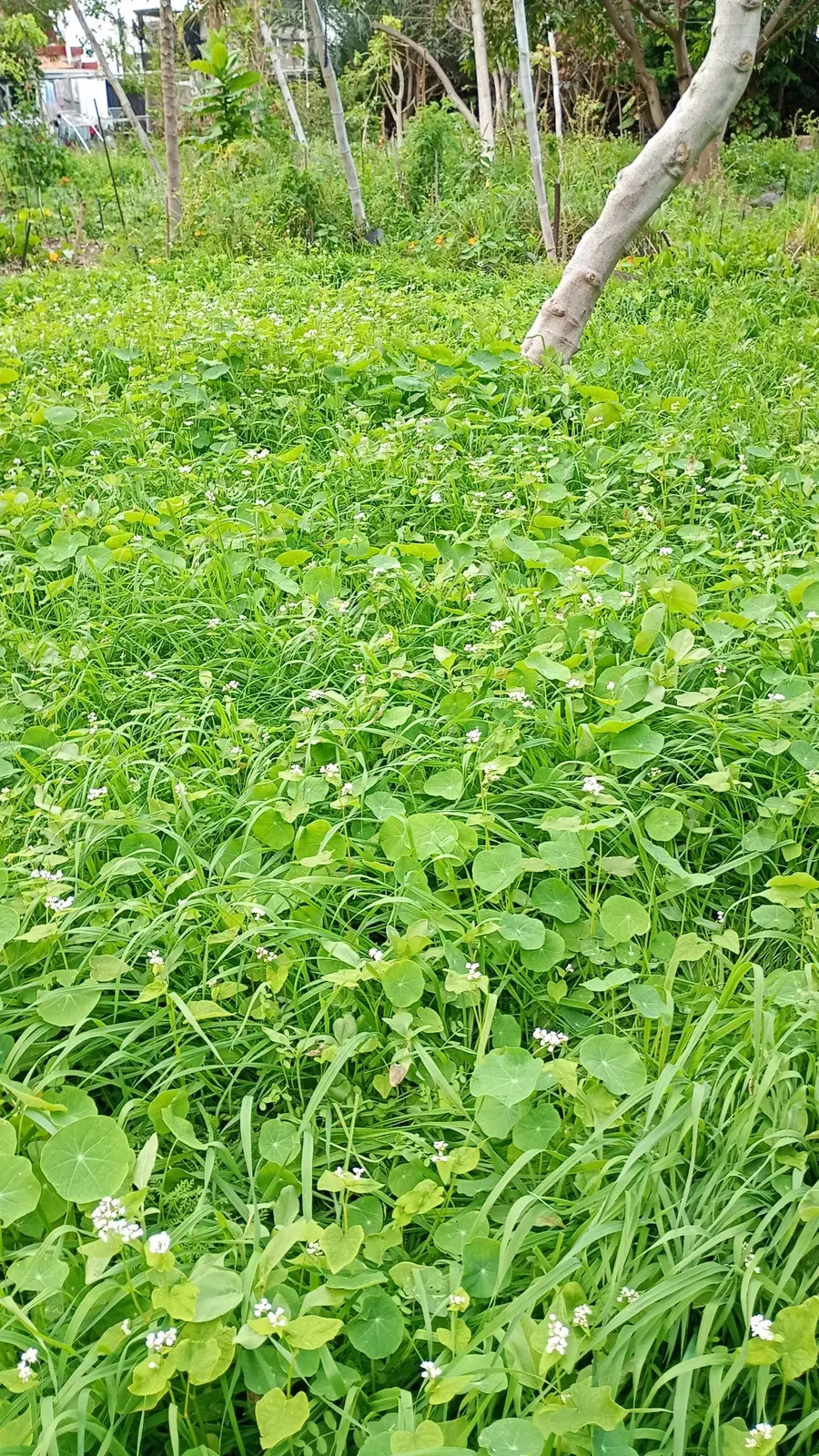
The documented work did not arise in isolation. It was made possible through the trust and support of local people and was also shaped by practical knowledge passed on by others. RED therefore understands this experience not only as technical development, but also as an example of regeneration being founded on collaboration, responsibility and long-term support.
Contextual note: This page summarises the practical work carried out at the specific site on La Gomera as a reference experience. The experience gained is documented, placed in professional context and developed further through RED’s continuing work.